- 247897209@qq.com
- Mon - Sat at 7:00AM to 9:00PM
Leave Your Message
You know, the global chocolate market has really been booming lately. Experts predict it’ll hit over over $160 billion by 2025—that’s a huge jump! Among all these sweet treats, Maltesers Chocolate has definitely carved out a special place in people’s hearts. I mean, who doesn’t love those crunchy malt centers covered in smooth chocolate? It’s just got that perfect combo that keeps folks coming back for more.  Shantou Xiangguo Food Industry Co., Ltd., YI GUO LIN, is really dedicated to making top-notch confections. They know how important it is to stay on top of what consumers want and what's happening in the market—especially in the chocolate world. In this blog, I’ll take a look at some of the big challenges and chances for Maltesers and similar chocolates. We’ll explore what manufacturers need to keep in mind to stay competitive, all while making sure they’re delivering quality and innovation that folks are craving these days.
You know, the Maltesers chocolate market isn’t without its headaches, especially when it comes to managing the supply chain. It’s a real juggling act that can mess with how much product gets made and how easily it reaches store shelves. From sourcing the raw ingredients to getting everything shipped out, each step throws its own set of challenges. Take cocoa prices, for example — when they spike or dip unexpectedly, it’s not just a small bump; it can really bump up costs and even make it tough to keep a steady supply going. And don’t forget about geography — shipping can get complicated when suppliers or markets are far apart, leading to longer waits and higher transportation costs.
So, what can manufacturers do to make things easier? Well, one good move is spreading out the supplier base. By working with different suppliers in various regions, companies can reduce the risk of running out of raw materials. It’s like having a backup plan, you know? Also, investing in tech, like supply chain management software, can make a huge difference. It helps keep everything transparent and lets teams react quickly if something starts going wrong, helping to avoid delays. And lastly, staying in good touch with logistics partners through regular updates and check-ins can really smooth out the delivery process. Spotting potential issues early means they can fix things before it’s too late. All these little strategies together can really help Maltesers makers stay on top of the game despite the bumps in the road.”
| Supply Chain Element | Current Challenges | Impact on Production | Mitigation Strategies | Future Trends |
|---|---|---|---|---|
| Raw Material Sourcing | Price volatility of cocoa and sugar | Increased production costs | Long-term supply contracts, diversifying suppliers | Sustainable sourcing practices |
| Transportation | Logistical delays due to port congestion | Interruptions in production schedules | Optimizing logistics routes, alternative transport methods | Increased use of automation in logistics |
| Inventory Management | Fluctuations in demand | Overproduction or stockouts | Implementing Just-In-Time inventory systems | Use of AI for demand forecasting |
| Regulatory Compliance | Changing food safety regulations | Compliance costs and potential fines | Regular audits and training | Growing emphasis on transparency |
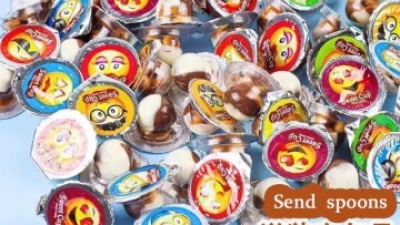
In the world of confections, few experiences rival the joy of indulging in rich chocolate treats. The Ball Cup-Planet Cup-Chocolate offers a delightful adventure for chocolate lovers, perfectly melding the lusciousness of chocolate with the satisfying crunch of cookies. Recent industry reports indicate that the global chocolate market is projected to reach a staggering $161.56 billion by 2024, emphasizing the ever-growing demand for premium chocolate products. This trend indicates that consumers are not only seeking quality but also unique experiences in their chocolate consumption.
Our Ball Cup-Planet Cup-Chocolate represents this indulgence, with its independent small cup packaging adorned with playful cartoon designs that appeal to both children and adults. The rich chocolate filling melts effortlessly in your mouth, while the crispy cookies provide a delightful contrast in texture. Statistics reveal that products with innovative packaging and unique flavor profiles tend to see higher sales, and our chocolate treats are no exception. With easy portability, they're perfect for on-the-go snacking without compromising hygiene or convenience.
As we embrace the shift towards customization in the confectionery industry, our offerings are available for OEM and ODM opportunities, catering to various market needs. We invite you to explore our delicious range of products—experience the perfect blend of chocolate and cookie that will not only satisfy your sweet cravings but also provide a fun, indulgent treat. For those looking to test the waters, we offer free inventory samples to help you discover the joy of our delectable treats. Contact us today to learn more!
: The main challenges include fluctuations in cocoa prices, geographical limitations that complicate logistics, longer lead times, and increased transportation costs.
Manufacturers can mitigate risks by diversifying suppliers, establishing relationships with multiple suppliers across different regions to ensure a more stable supply chain.
Investing in supply chain management software enhances visibility and streamlines operations, allowing businesses to respond swiftly to market changes and minimize disruptions in production.
Fostering strong communication with logistics partners ensures smoother delivery processes, helps identify potential bottlenecks early, and allows for timely resolutions.
Consumer preferences are shifting towards healthier snack options, with increased demand for protein-rich and fat-free snacks as part of a growing emphasis on health and wellness.
Snack brands should innovate by developing nutritious and appealing products that incorporate functional ingredients like protein and fiber, as well as using labeling to highlight health benefits.
Maltesers has significant potential in emerging markets, particularly in Southeast Asian nations and parts of Africa, where a growing middle class has increasing disposable income and a burgeoning demand for chocolate products.
A tailored marketing approach may be necessary to align with local tastes and preferences, taking into account the unique demands of younger consumers in these regions.
Companies can embrace innovation, foster partnerships, and stay attuned to shifting consumer behaviors to mitigate risks while tapping into the potential of new markets.
You know, the global Maltesers chocolate scene is constantly evolving, and there are a bunch of twists and turns along the way—some things make growth easier, while others throw a wrench in the works. Managing the supply chain? That's still a real headache sometimes because any hiccup can slow down production or cause delays. Plus, with cocoa prices climbing up all the time, profits are feeling the squeeze, so brands need to get creative if they want to stay competitive. On top of that, people's tastes are shifting more and more toward healthier snacks. Maltesers, in particular, need to think about how they can tweak things to appeal to a wider crowd.
Then there are these new markets popping up—sounds like a great opportunity, right? But it’s kind of a double-edged sword; yes, they’re full of potential, but they also come with their own set of risks, so companies have to be smart about stepping in. And let’s not forget about sustainability—more and more consumers want products that are ethically sourced and environmentally friendly. For companies like Shantou Xiangguo Food Industry Co., Ltd., it’s pretty clear that understanding these trends is crucial if they want their Maltesers stand out in this super competitive market.