Leave Your Message
0%

With US-China tariffs on the rise, the market for confectionery, especially Amber Candy, is really holding its ground (and even growing!). Shantou Xiangguo Food Industry Co., Ltd., known for its fresh twist on candy-making, is definitely riding this wave. I've heard that industry reports predict the global candy market could hit over $200 billion by 2024! Products like Amber Candy are really starting to shine, thanks to their unique flavors and appeal. You know, consumers are really leaning towards authentic, high-quality snacks these days, which just goes to show how crucial it is to stand out in such a crowded market. By adapting strategically and staying committed to top-notch quality, YI GUO LIN seems set to not just survive, but thrive even when the trade winds get a bit stormy.
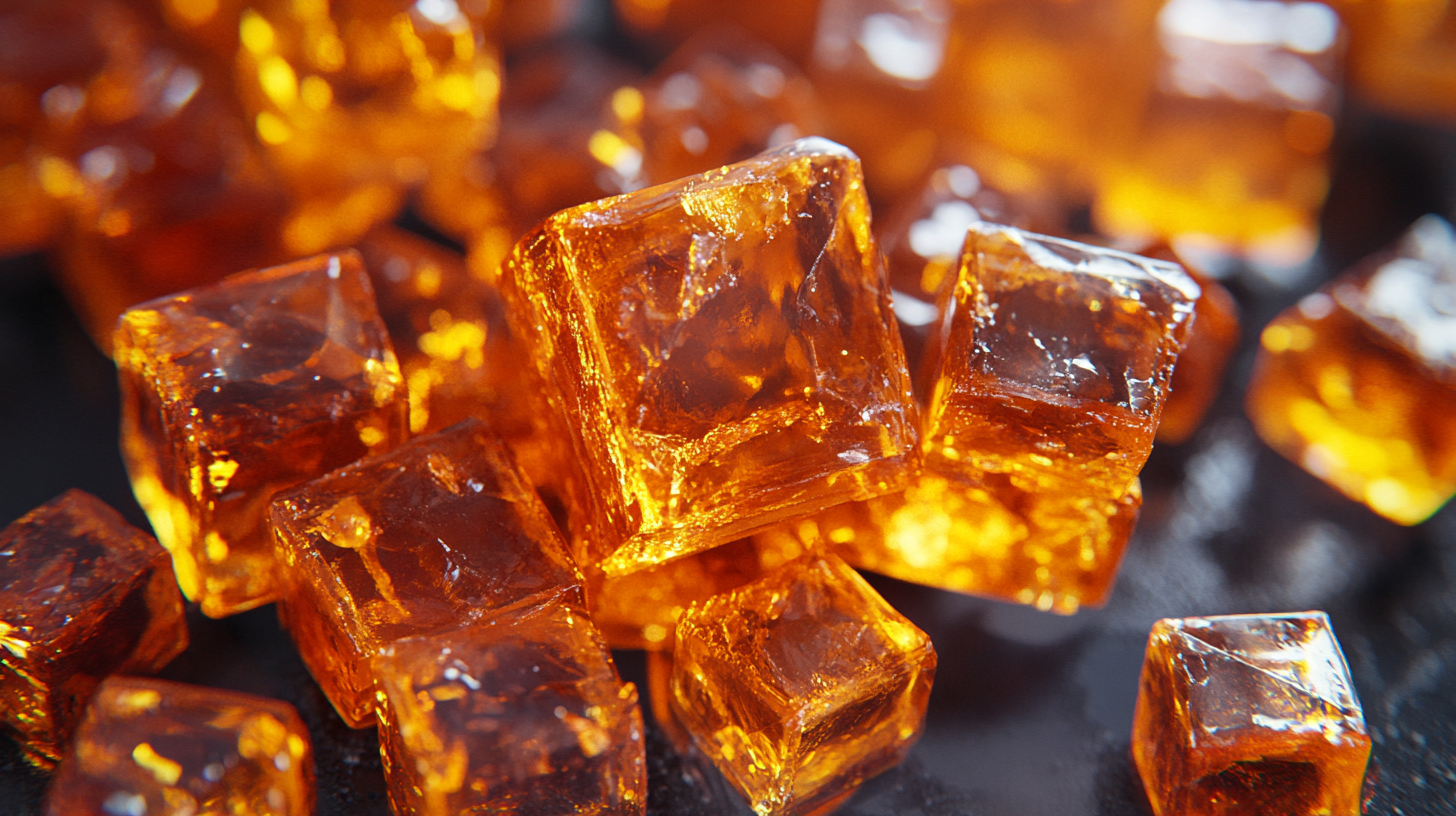
How China's Best Amber Candy Thrives Amidst US-China Tariff Challenges

The Resilience of China's Amber Candy Industry in a Tariff-laden Environment

You know, it’s pretty impressive how the amber candy industry in China is holding its ground, especially with all the US-China tariffs shaking things up. Sure, they’re dealing with rising costs for raw materials and shipping—nobody likes that—but the local manufacturers are really stepping up to the plate. They’ve been tweaking their production processes and looking into new markets, which is smart. Because of that, they’re managing to keep things competitive, so we can still enjoy our favorite amber candies without seeing our wallets take too big of a hit.

And here’s the cool part: the amber candy scene isn’t just sitting back; they’re getting creative! There are new flavors popping up and some fresh packaging that’s really catching people’s eyes. Plus, they’re not just relying on the old school methods; they’ve jumped onto e-commerce and social media, reaching folks both at home and across the globe. It’s like they’ve turned what could’ve been a real setback into an exciting chance to grow. This whole strategy is not just about keeping traditions alive, it’s also breathing new life into the industry for the younger crowd, which is awesome for the future, even with all those external pressures.

Understanding the Impact of US-China Tariffs on Trade Dynamics

You know, the trade situation between the US and China has really taken some twists and turns lately—especially with tariffs shaking things up. This has been a big deal for lots of industries, including the specialty food market where quirky treats like amber candy have found their footing. A recent report from the U.S. International Trade Commission pointed out that tariffs on Chinese goods have jacked up import costs by about 25%. But you know what's interesting? Despite those hurdles, China’s top-notch amber candy is still doing great, thanks to its unique taste and quality. There’s definitely a growing crowd out there who crave those authentic, artisanal sweets, which really shows how consumer preferences are changing. Specialty goodies seem to be riding through these trade bumps fairly well.

Here’s a thought: businesses could really benefit from diving into e-commerce to connect directly with customers, skipping those traditional distribution paths that might be messed up by tariffs. Plus, with a bit of social media marketing and smart ads, brands can create that loyal fanbase willing to spend a little more for the real deal.

And you know what else? Market insights hint that companies focusing on niche markets are often performing better than those stuck in the crowded spaces, especially when trade tensions flare up. According to IBISWorld, specialty food sales have been booming with over 12% annual growth in recent years. If brands really highlight what makes them special, they might just sail through the tariff challenges and tap into that growing appetite for unique products.

So, a quick tip: it could be wise to think about diversifying your supply chain or finding local materials to lessen the impact of tariffs. Building solid relationships with suppliers who can provide similar items at better prices can definitely help cushion against those price swings brought on by tariffs.

How China's Best Amber Candy Thrives Amidst US-China Tariff Challenges

How Innovation Fuels Growth in China's Confectionery Sector

You know, innovation is really at the heart of China’s thriving candy scene, especially considering all the hiccups like the US-China tariffs. Companies aren’t just sitting back and enjoying their success; they’re actively spinning their strategies to grab new market opportunities. Take health-conscious consumers, for instance. They’re pushing manufacturers to get creative with alternative ingredients and whip up products that strike a balance between a guilty pleasure and wellness. By adding in superfoods and natural sweeteners, these brands are reaching out to a wider crowd while boosting their product lines.

And let’s not forget about technology—it’s a game changer for growth in this industry. From fancy production methods to savvy digital marketing, confectionery companies are tapping into innovation at every turn. They’re using data analytics to really get to know what consumers want and tweak their products to match those tastes. Plus, e-commerce is huge right now, especially when traditional shops are having rough days. These companies are investing in both innovation and tech, and it’s paying off. Instead of just getting by, they’re actually thriving, showing just how resilient and adaptable China’s candy industry is in such a competitive game.

How China's Best Amber Candy Thrives Amidst US-China Tariff Challenges

Strategies for Amber Candy Producers to Overcome Trade Barriers

You know, amber candy makers in China are really facing some tough times right now, mostly thanks to the ongoing trade tensions and tariffs between the US and China. But guess what? Many of these producers aren’t just sitting around waiting for things to get better. They’ve actually got some pretty savvy strategies up their sleeves to keep not just their heads above water, but to really thrive in this cutthroat market. By shaking things up and diversifying their supply chains, they’re minimizing their reliance on just one region and dodging the unpredictable tariff rollercoaster. They’re also building relationships with different suppliers from a bunch of countries, which gives them way more flexibility and helps them lower risks. This way, they can keep their products available and manage their costs without breaking a sweat.

On top of that, branding and marketing have become super important for these amber candy businesses. By showcasing what makes their candies special and highlighting that artisanal touch, they’re creating a solid value proposition that really clicks with American consumers. Plus, they’ve been doing a fantastic job connecting with customers through social media and e-commerce platforms. It’s like they’ve figured out how to reach a much wider audience and build brand loyalty, which is a smart move to help offset some of those pesky tariffs. So, this combo of being nimble with their supply chain and putting effort into robust marketing strategies really arms these amber candy producers with the resilience they need to not just survive but actually succeed in such a challenging trade environment.

Market Share of Amber Candy Producers in China (2023)

Consumer Trends Driving the Demand for Chinese Amber Candy in the US

Wow, have you noticed how Chinese amber candy is really taking off in the US? It’s pretty interesting! People are changing the way they think about snacks, and more folks are on the lookout for those natural, artisanal options. Amber candy’s got this cool, unique flavor and people believe it has some health perks too. It’s this old-school treat made from amber and sugar, and it totally fits into that whole vibe of wanting authentic, culturally-rich eats. Plus, with social media being such a big deal nowadays, everyone’s sharing and celebrating these delightful goodies, which just makes them even more popular.

**Pro Tip:** If you're curious, check out your local Asian markets! They often have a bunch of different amber candies that really showcase the variety from different regions. And you know what’s a lovely combo? Pairing amber candy with a nice cup of tea — it totally elevates the whole tasting experience!

Another thing that’s boosting amber candy's popularity is how it’s seen as a guilt-free treat. Nowadays, people want snacks that make them feel good, both taste-wise and health-wise. A lot of us are flipping over packages and checking out those ingredient lists for quality stuff. Amber candy fits right in with that trend since it’s made with just simple ingredients and traditional methods, giving people that sense of transparency and quality they crave.

**Another Tip:** Keep an eye out for brands that focus on sustainable sourcing and minimal processing. Not only does that usually mean a better product, but it also vibes with a lot of us who care about environmental issues these days.

How China's Best Amber Candy Thrives Amidst US-China Tariff Challenges - Consumer Trends Driving the Demand for Chinese Amber Candy in the US

Year Amber Candy Revenue (Million USD) US-China Tariff Rate (%) US Imports (Metric Tons) Consumer Preference (% for Chinese Amber Candy)
2019 45 10 2000 35
2020 50 15 2100 37
2021 55 20 2500 40
2022 60 25 2900 45
2023 70 30 3200 55

FAQS

: How have tariffs impacted US-China trade dynamics, particularly in the specialty food market?

: Tariffs have increased import costs by approximately 25%, significantly affecting the US-China trade dynamics. However, specialty products like China's premium amber candy continue to thrive due to their unique quality and flavor, indicating a shift in consumer preferences.

What strategies can businesses employ to navigate the challenges posed by tariffs?

Businesses can leverage e-commerce platforms and social media marketing to reach consumers directly, bypassing traditional distribution channels affected by tariffs. This approach helps in building a loyal customer base willing to pay a premium for authentic products.

Is there a trend in the specialty food market amidst trade uncertainties?

Yes, companies focusing on niche markets, like specialty foods, often outperform those in competitive spaces during trade uncertainties. The specialty food sector has experienced over 12% annual growth in recent years.

How can amber candy producers in China mitigate the effects of US-China trade tensions?

Amber candy producers can diversify their supply chains to minimize dependence on specific regions and establish relationships with alternative suppliers. This flexibility can help manage costs and maintain product availability amid fluctuating tariffs.

What role does innovation play in the growth of China's confectionery sector?

Innovation is crucial; companies are adapting to market trends, such as health-conscious consumers, by incorporating superfoods and natural sweeteners. Advanced production techniques and digital marketing are also driving growth.

How can technology benefit confectionery businesses during trade challenges?

Technology aids businesses by providing data analytics to understand consumer preferences, enabling tailored products. E-commerce platforms allow for direct consumer engagement, which is especially important during disruptions in traditional retail.

Why is branding important for amber candy producers facing trade barriers?

Focusing on branding is essential as it helps producers emphasize unique qualities and artisanal craftsmanship, creating strong value propositions that resonate with consumers and foster brand loyalty.

What are some effective marketing strategies for amber candy producers?

Engaging with customers through social media and e-commerce channels allows producers to reach a broader audience and mitigate tariff effects, fostering brand loyalty and consumer connection.

How can businesses emphasize unique selling propositions during trade disputes?

By highlighting distinct product qualities, such as craftsmanship and authenticity, businesses can navigate tariff-related challenges and capitalize on growing demand for specialty products.

What trends are shaping consumer preferences in the confectionery market?

There is a rising trend towards health-conscious options, prompting manufacturers to develop indulgent yet healthier products, appealing to a broader audience and aligning with contemporary consumer preferences.

Oliver

Oliver

Oliver is a dedicated marketing professional at Shantou Xiangguo Food Industrial Co., Ltd., where he plays a pivotal role in promoting the company's diverse range of food products. With an extensive background in food marketing, Oliver possesses a deep understanding of both the industry and the......
Previous Comprehensive Overview of Ball Cups for Global Buyers