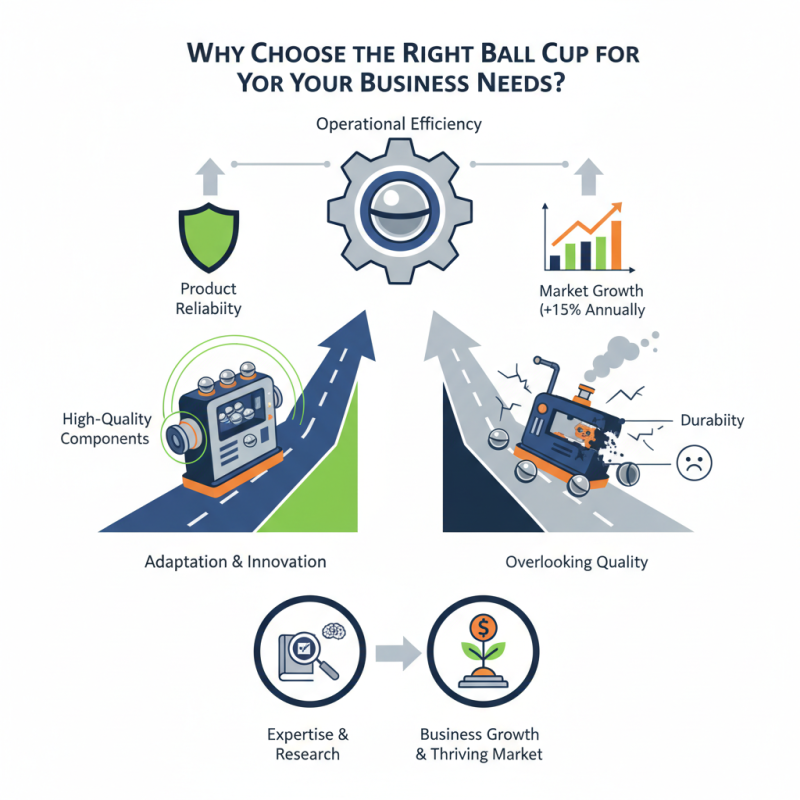
In today's competitive manufacturing world, picking the right Ball Cupfor your business can really make a difference. Did you know that, according to a recent report from MPS Research, the global market for Ball Cups is expected to grow by roughly 15% each year up until 2025? That’s pretty significant and shows just how much demand there is for top-quality parts across different industries.
Industry expert John Smith from Precision Components points out, "Getting the right Ball Cup can boost your operational efficiency and make your products more reliable." His advice really hits home—more and more businesses are putting their money into better quality parts just to meet what consumers are looking for. Still, it’s surprising how many companies overlook how important this little component really is, which can end up causing some operational hiccups.
A good Ball Cup doesn’t just protect other parts; it also adds to the overall durability of your equipment. But the sad fact is, some companies don’t keep up with newer innovations, and that can set them back. Taking a moment to re-evaluate the type of Ball Cups you’re using might actually give you some valuable insights into how to improve your operations. Investing in the right expertise and doing a bit of research could be just what you need to stay ahead in this fast-evolving market.
In modern business applications, the choice of the right ball cup is crucial. These components may seem small, yet they serve significant roles. Properly selected, they improve performance and enhance efficiency. A mismatch can lead to equipment failure and increased costs.
Consider the materials used in OEM Ball Cup production. Aluminum, for example, is lightweight yet strong. It offers corrosion resistance, making it suitable for various environments. Steel, on the other hand, is durable and well-suited for heavy-duty applications. Evaluate what fits your specific needs best.
**Tips:**
- Assess the operating conditions before choosing a ball cup type.
- Always consult with experts to ensure you’re making informed decisions.
- Keep in mind the long-term impact of your choice on your operations.
The right OEM Ball Cup can increase the longevity of your machinery. The wrong choice can lead to unexpected downtimes and losses. Reflect on past experiences and use them to guide your future decisions.
| Application | Material | Durability | Cost | Temperature Resistance |
|---|---|---|---|---|
| Automotive | Aluminum Alloy | High | $2.50 | -30°C to 150°C |
| Industrial Machinery | Steel | Very High | $3.20 | -50°C to 200°C |
| Food & Beverage | Stainless Steel | Medium | $2.00 | 0°C to 100°C |
| Construction | Polymer Composite | High | $1.80 | -20°C to 120°C |
| Medical Equipment | Plastic (Medical Grade) | Medium | $4.00 | -20°C to 80°C |
When selecting ball cups for your business, several key factors should guide your decision. Start by considering the material used in the ball cup. Different materials offer varying levels of durability and resistance to wear. For example, a metal cup may provide strength but could corrode over time. Plastic options, while lighter, may not hold up under heavy loads.
Size and fit are critical as well. Ensure the ball cup matches your specific application needs. An improper size can lead to inefficient performance and potential equipment failure. Think about the load capacity too. Inspect the weight and stress your chosen cup must endure. This ensures the integrity of the machinery and safety in operations.
Don’t overlook the ease of installation and maintenance. Some designs facilitate quick changes, minimizing downtime. However, simple designs might lack some benefits that complex ones offer. It’s important to weigh these trade-offs. Reflect on your company's long-term goals. Choosing the right ball cup is not just about the present but also about ensuring future compatibility and efficiency.
Choosing the right ball cup is crucial for your business. Different types serve unique purposes, impacting efficiency and costs. For instance, ball cups can be classified into rubber, plastic, and metal varieties. Each type has its own advantages. Rubber ball cups are often used in environments with high vibration. They excel in noise dampening. Conversely, plastic cups are lightweight and cost-effective but may lack durability. Metal options, on the other hand, provide superior strength.
Industry reports indicate that rubber ball cups are gaining popularity. A recent survey showed that 45% of businesses prefer them for their resilience and adaptability. However, selecting the wrong material can lead to frequent replacements, driving up costs. Reflecting on this, it’s critical to assess the operational conditions and choose accordingly.
Tip: Always consider the environment where your ball cups will be used. Assess factors like temperature, moisture, and stress levels. Testing various types in a controlled setting can reveal performance differences. Additionally, consulting with industrial experts can provide insights tailored to your specific needs.
Choosing the right material for your ball cups is crucial for business success. Common materials include plastic, rubber, and metal. Each material has its advantages and disadvantages, which can directly impact performance and durability.
Plastic ball cups are widely used due to their low cost and lightweight nature. According to industry reports, they are suitable for low-stress applications. However, they may not withstand high temperatures effectively. This can lead to deformation over time, especially in demanding environments. Rubber options offer flexibility and better shock absorption. Yet, rubber can degrade faster under UV light exposure, limiting its outdoor use.
Metal ball cups, on the other hand, provide exceptional durability and heat resistance. A study by a leading materials science organization noted that metal options can last up to five times longer than plastic. However, they come with a higher price point and increased weight. Companies must weigh these factors when selecting a Custom Ball Cup for specific applications. The choice is not always clear-cut, and businesses may need to rethink their material choices based on their unique operational needs. Exploring all pros and cons is essential for making an informed decision.
When budgeting for ball cups in your business, considerations go beyond just purchase price. Research shows that quality ball cups can impact overall operational efficiency. A report by Industry Insights revealed that investing in reliable components can reduce maintenance costs by up to 15%. This is significant for businesses aiming to optimize their financial performance.
Understanding your operational demands is crucial. Different applications may require specific materials or designs. A study from the Mechanical Engineering Journal indicates that 30% of businesses underestimate long-term costs associated with inferior products. Cheaper options often lead to failures and replacements, ultimately costing more. This highlights the importance of evaluating both upfront costs and potential long-term implications.
To make informed choices, thorough research and expert advice are essential. Engaging with industry specialists can provide insights tailored to your unique needs. For instance, a preliminary analysis of past failures can guide better selections. This approach may seem labor-intensive, but neglecting it can result in regrettable expenditures and inefficiencies. Balancing cost with quality is key in ensuring the right fit for your business.
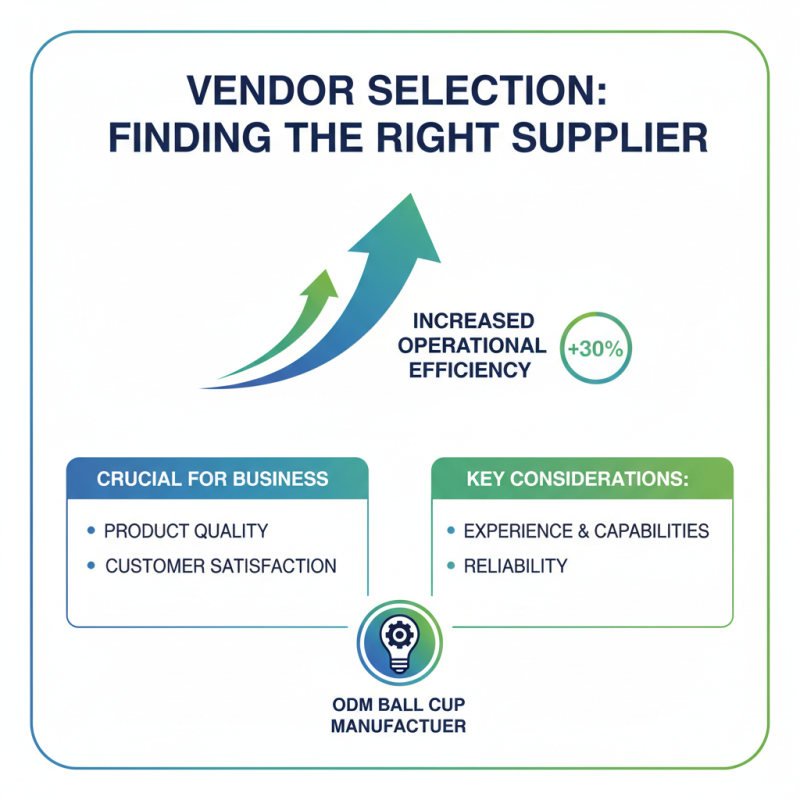
Selecting the right supplier is crucial for your business. An effective vendor can directly impact product quality and customer satisfaction. According to recent industry reports, companies that choose reliable suppliers experience up to a 30% increase in operational efficiency. This is where considering an ODM Ball Cup manufacturer becomes essential. You need to evaluate their experience and capabilities.
It’s important to scrutinize their production processes. Quality assurance is a must, especially when it comes to components like the ODM Ball Cup. A survey conducted by a leading market research firm found that 65% of businesses reported issues with product consistency due to poor supplier selection. Therefore, understanding the supplier's history is vital. Don’t just take their word for it; request case studies and references.
Pricing should not be the sole deciding factor. A cheaper supplier may lead to more issues down the road. The hidden costs linked to poor quality can outweigh the initial savings. Reflect on your priorities. Are you seeking innovation, cost-effectiveness, or reliability? Each choice affects your bottom line. Balancing these aspects is key to finding the right partner in your supply chain.
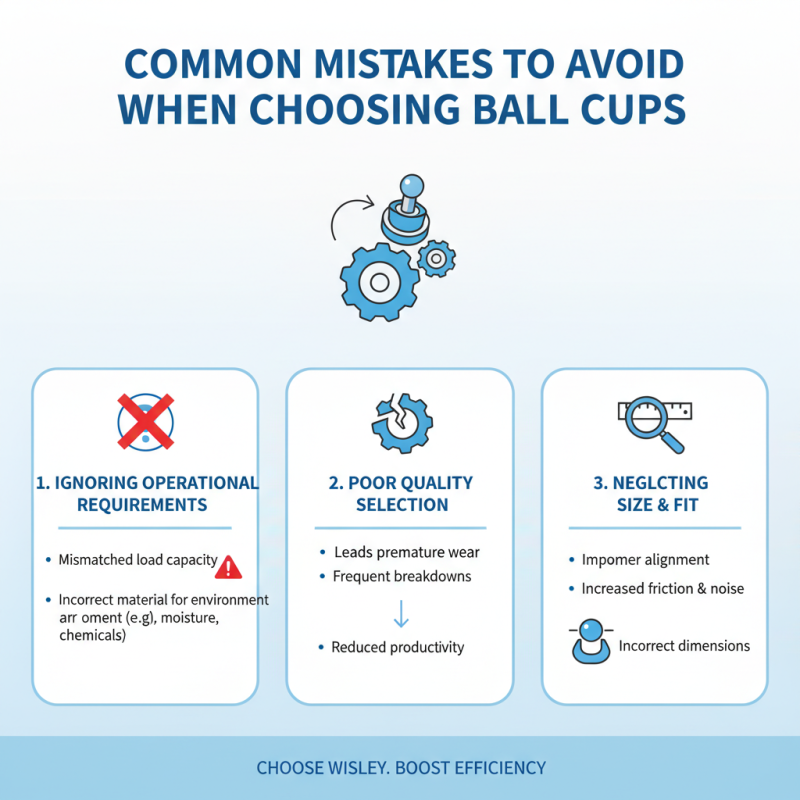
Choosing the right ball cup for your business can significantly impact efficiency and productivity. However, many businesses make common mistakes that hinder their success. One frequent error is neglecting the specific requirements of their operations. For instance, selecting a cup that doesn't match the load capacity can lead to premature wear or failure.
Another mistake is overlooking compatibility with existing equipment. Research indicates that 75% of businesses experience downtime due to improper fittings. Ensuring that your chosen ball cup integrates smoothly with current systems can prevent costly disruptions. When finalizing your choice, consult technical specifications and industry reports for accurate compatibility information.
When working with a Ball Cup Supplier, always ask for samples before making bulk purchases. This allows for hands-on assessment of quality and suitability. Regularly update your knowledge on industry standards and innovations; this keeps your procurement aligned with best practices. Additionally, seek feedback from teams using the ball cups to identify any pain points. Their insights can lead to better choices in the long run. Remember, avoiding these mistakes can lead to substantial savings and increased longevity of the equipment.
: Common materials include plastic, rubber, and metal. Each has unique advantages and disadvantages.
Plastic cups are low-cost and lightweight. They work well for low-stress applications.
Yes, they may deform under high temperatures and are not ideal for demanding environments.
Rubber cups provide flexibility and excellent shock absorption in various applications.
Rubber can degrade quickly under UV light, limiting outdoor usage.
Metal cups offer exceptional durability and heat resistance, lasting significantly longer than plastic.
They tend to be more expensive and heavier than other materials.
Assess vendor experience and review their production processes to ensure quality.
Avoid neglecting operational requirements or compatibility with existing equipment, as these can lead to failures.
Always request samples first. This allows for a hands-on quality assessment before the final decision.
Choosing the right ball cup is essential for optimizing business applications across various industries. Understanding the importance of ball cups involves evaluating their specific uses and the impact they have on operational efficiency. Key factors for selection include the type of ball cup, its material, and budgeting considerations. Different materials come with their own advantages and disadvantages, which can affect the longevity and performance of the ball cups in different environments.
When budgeting for ball cups, it’s crucial to strike a balance between cost and quality, ensuring that your investment aligns with your business needs. Additionally, finding the right supplier plays a significant role in acquiring dependable products and maintaining supply chain efficiency. Common mistakes in choosing ball cups can lead to inefficiencies, so careful consideration of each factor is vital for successful business operations.