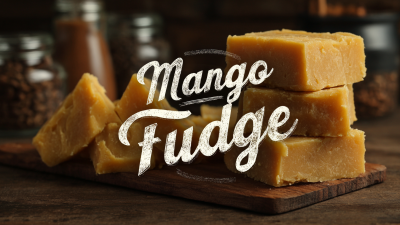
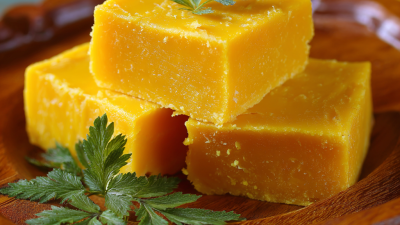
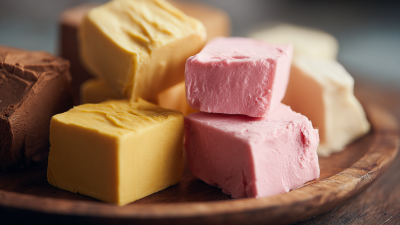
Mango Fudge is quickly becoming a favorite among sweet tooths and dessert lovers everywhere. Its rich tropical flavor and a uniquely smooth, melt-in-your-mouth texture are just irresistible. I recently came across a report from the International Confectionery Association, and it’s pretty exciting — sales of mango-based treats have jumped by a solid 25% over the past year! It seems more people than ever are craving that sunny, tropical vibe in their desserts. No wonder both home bakers and professional chefs are busy experimenting with creative recipes that really highlight the awesome combo of mango and fudge.
I spoke with Emily Torres, a well-known pastry chef who’s all about tropical sweets, and she said, “Mango Fudge isn’t just a treat — it’s like a little burst of sunshine on any occasion.” Honestly, that totally hit the nail on the head! The vibrant color and luscious flavor really do lift up any celebration or casual get-together. Plus, with all kinds of ingredients like coconut milk, nuts, or whatever you fancy, there are endless ways to put your own spin on it and excite your taste buds.
So, to keep you inspired, I’ve put together a list of the top 10 mouthwatering Mango Fudge recipes you’ve gotta try right now. Each one offers a fun twist on this deliciously tropical delight. Whether you’re craving a super creamy slice or looking for a vegan-friendly version, these recipes will definitely bring some tropical bliss straight into your kitchen.
The History and Origin of Mango Fudge
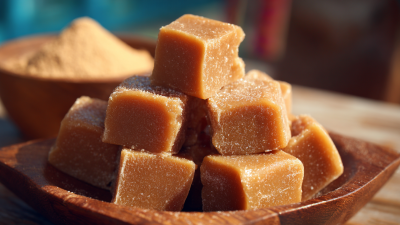
Mango fudge, a delightful confectionery, has its roots deeply embedded in Indian culinary traditions. Originating from the Indian subcontinent, this sweet treat is a perfect blend of ripe mango pulp, milk, sugar, and a variety of spices that evoke the flavors of the region. Historically, fudge-type sweets were crafted in homes to celebrate festivals and special occasions, with mango fudge emerging as a popular variation due to the tropical abundance of mangoes in the area. The sweet's creamy texture and vibrant color reflect the warmth and richness of the local culture.
As mango fudge gained popularity, it also began to evolve. Regional variations emerged, incorporating local ingredients and culinary techniques. In some areas, nuts and dried fruits are added for texture, while others enhance the flavor with cardamom or coconut. This evolution speaks to the adaptability of mango fudge, allowing it to cater to diverse palates while retaining its essential appeal. Today, it is not just a festive delicacy but also a cherished treat enjoyed throughout the year, celebrated for both its taste and the nostalgic memories it evokes.
Top 10 Delicious Mango Fudge Recipes You Need to Try Today
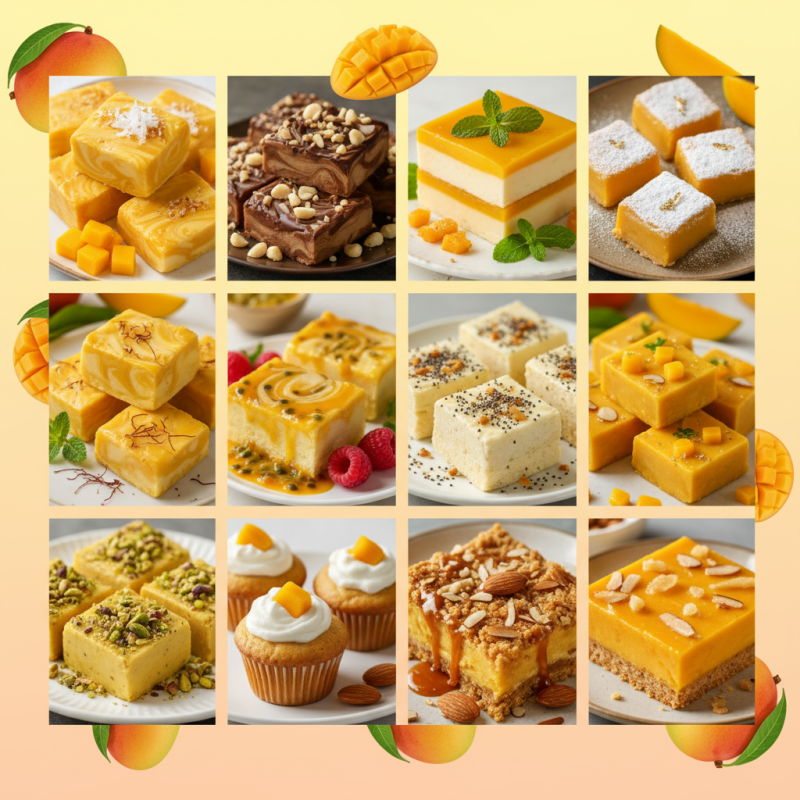
| Recipe Name | Main Ingredients | Preparation Time | Serving Size |
| Classic Mango Fudge | Mango puree, Condensed milk, Ghee, Sugar | 30 minutes | 12 pieces |
| Mango Coconut Fudge
| Mango, Coconut milk, Sugar, Nuts | 40 minutes | 10 pieces |
| Spicy Mango Fudge | Mango pulp, Green chilies, Sugar, Cream | 35 minutes | 8 pieces |
| Layered Mango Fudge | Mango, Milk, Coconut, Gelatin | 50 minutes | 16 pieces |
| Mango Nut Fudge | Mango, Walnuts, Milk, Jaggery | 45 minutes | 12 pieces |
| Vegan Mango Fudge | Mango pulp, Date syrup, Coconut oil, Almonds | 30 minutes | 10 pieces |
| Chocolate Mango Fudge | Mango, Cocoa powder, Milk, Maple syrup | 40 minutes | 12 pieces |
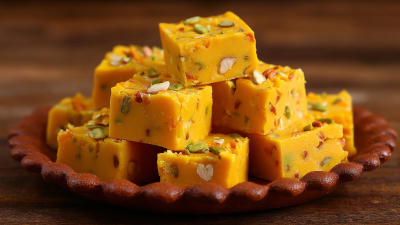
| Mango Pistachio Fudge | Mango, Pistachios, Milk, Sugar | 35 minutes | 14 pieces |
| No-Bake Mango Fudge | Mango puree, Crushed biscuits, Butter, Sweetener | 15 minutes | 12 pieces |
| Frozen Mango Fudge | Mango, Yogurt, Honey, Lemon juice | 10 minutes + freezing | 8 pieces |
Essential Ingredients for Making Mango Fudge
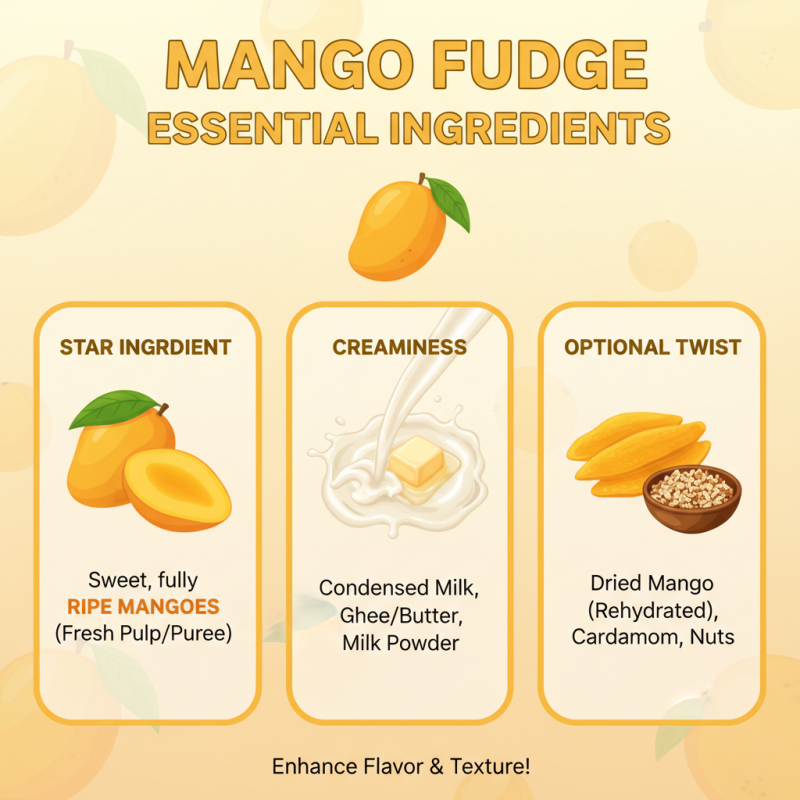
To create a delightful mango fudge, you'll need a few essential ingredients that contribute to its creamy texture and vibrant flavor. The star of the show, of course, is ripe mangoes. Ensure that the mangoes are sweet and fully ripe, as this will enhance the fudge's taste. Fresh mango pulp or good-quality mango puree is ideal for achieving a rich mango flavor. You can also use dried mango for a twist, but it should be rehydrated beforehand.
In addition to mango, the basic ingredients for making fudge include condensed milk, which adds sweetness and creaminess, and ghee or unsalted butter, which helps in achieving a smooth, melting texture. Sugar is typically kept to a minimum due to the natural sweetness of the mango. To add depth, incorporating a pinch of salt and a dash of cardamom can elevate the flavor profile, making your mango fudge even more irresistible. Finally, don’t forget ingredients like nuts or desiccated coconut to add a delightful crunch and contrast to the smooth fudge. With these essential ingredients, you're well on your way to creating a delicious mango fudge treat.
Step-by-Step Guide to Preparing Mango Fudge
Mango fudge is a delightful treat that beautifully combines the rich creaminess of fudge with the tropical sweetness of ripe mangoes. According to a recent report by the Food and Agriculture Organization (FAO), mangoes are one of the most popular fruits globally, with an annual production exceeding 50 million tons. This popularity not only highlights the fruit's versatility in desserts but also underscores its nutritional benefits, including high levels of vitamin C, fiber, and antioxidants.
To prepare mouthwatering mango fudge, start by selecting ripe, juicy mangoes, as their natural sweetness enhances the flavor of the fudge. Begin by pureeing the mangoes and combining them with condensed milk and sugar in a saucepan over low heat. Stir continuously until the mixture thickens, typically around 10 to 15 minutes. Once the fudge achieves the desired consistency, remove it from heat and fold in butter and flavorings such as cardamom or vanilla. Pour the mixture into a greased tray and let it cool, allowing the flavors to meld together beautifully. This simple yet effective step-by-step guide not only ensures a delicious end product but also makes mango fudge a go-to dessert for gatherings, embracing the trend of fruity confections in culinary circles.
Moreover, a survey by the National Confectioners Association indicates that 60% of consumers are increasingly interested in trying new and innovative flavors in their sweets. This implies that mango fudge is well-positioned to satisfy these adventurous taste buds with its unique tropical twist. By experimenting with different ingredients and techniques, home cooks can elevate this delightful treat, appealing to both traditional sweet lovers and those seeking new flavors.
Top 10 Unique Mango Fudge Flavor Combinations
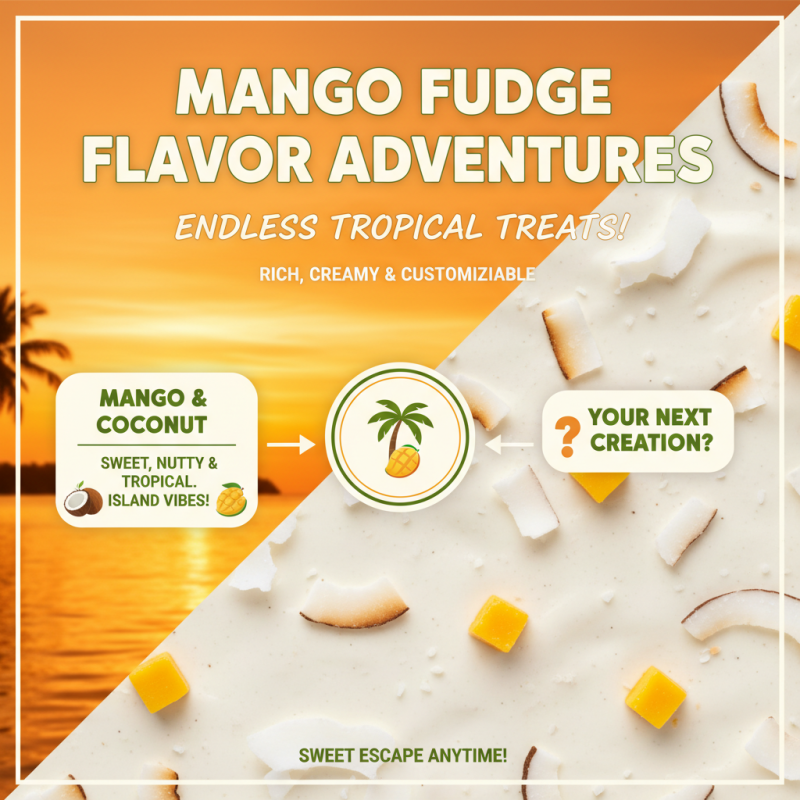
When it comes to mango fudge, the possibilities for flavor combinations are endless. This tropical treat is not only rich and creamy but can also be enhanced with various ingredients to create unique variations. One delightful combination is mango with coconut, where the sweetness of the mango pairs perfectly with the nutty taste of coconut flakes. This tropical duo brings a hint of the island spirit to your fudge, making it perfect for summer gatherings or a sweet treat any time of the year.
Another intriguing flavor combination is mango with cardamom. The spicy warmth of cardamom complements the tropical sweetness of mango, creating a taste sensation that is both exotic and familiar. This fusion can be further enhanced with a drizzle of honey or a touch of vanilla to elevate the fudge's flavor profile. Additionally, incorporating a sprinkle of pistachios or almonds not only adds a delightful crunch but also introduces a beautiful contrast in color, making the fudge even more visually appealing. Experimenting with these unique mango fudge flavor combinations can lead to delightful surprises that are sure to impress anyone who tries them.
Tips for Perfecting Your Mango Fudge Texture
When making mango fudge, achieving the perfect texture is crucial for a delightful experience. The ideal fudge should be creamy and smooth, melting in your mouth with every bite. To start, ensure you're using ripe, flavorful mangoes as their natural sweetness and creaminess will enhance the overall texture. Pureeing the mangoes until they are completely smooth will help incorporate them evenly into the fudge mixture, preventing any graininess.
Another tip for perfecting your mango fudge texture is to pay attention to the cooking temperature. Cook the fudge mixture over low to medium heat, stirring constantly to avoid scorching the ingredients. This will help the sugars dissolve gradually, contributing to a richer and silkier texture. Once the fudge reaches the desired consistency, it’s essential to let it cool properly at room temperature to solidify without becoming too hard or dry.
Lastly, consider the setting process. Line your fudge pan with parchment paper for easy removal and cut your fudge once it’s completely cooled. If you prefer a softer texture, you can store the fudge in an airtight container in the refrigerator, allowing it to maintain its moistness while preserving its rich, mango flavor.
Serving Suggestions for Mango Fudge
Mango fudge is a delightful treat that not only tantalizes your taste buds but also offers versatility in serving. One of the best ways to enjoy mango fudge is by pairing it with fresh fruits, such as slices of ripe mango, strawberries, or even a scoop of vanilla ice cream. This combination enhances the fudgy texture and allows the fruity flavors to complement each other, making it a perfect dessert for any occasion.
For an elegant presentation, serve mango fudge on a beautiful platter, garnished with mint leaves or desiccated coconut. You can also cut the fudge into bite-sized pieces and arrange them in decorative cups for a festive touch at parties. Such serving suggestions not only elevate the visual appeal but also make it easier for guests to enjoy them without the fuss.
Tips: To add an extra layer of flavor, consider drizzling some caramel sauce or melted dark chocolate over the fudge pieces before serving. If you’re feeling adventurous, try sprinkling a bit of sea salt on top to create a delightful contrast with the sweetness. Remember to keep your mango fudge in an airtight container at room temperature or in the fridge to maintain its freshness and texture for longer.
Storing and Keeping Mango Fudge Fresh
When it comes to enjoying mango fudge, proper storage is crucial to maintain its delightful taste and texture. Ideally, mango fudge should be kept in a cool, dry place at room temperature if you plan to consume it within a few days. However, if you want to extend its shelf life beyond that window, refrigeration is the key. According to a report by the Institute of Food Technologists, refrigerating fudge can increase its lifespan from about 3-4 days at room temperature to up to 2-3 weeks when stored properly in an airtight container. This not only helps preserve the freshness but also enhances the flavors as the ingredients meld together over time.
For longer-term storage, freezing mango fudge is an excellent option. The USDA suggests wrapping the fudge tightly in plastic wrap and then placing it in a freezer-safe container to prevent freezer burn. When done correctly, mango fudge can last for up to 3 months in the freezer. When you’re ready to enjoy it again, simply move it to the refrigerator to thaw overnight, and it should retain its delicious flavor and creamy consistency. This method is especially beneficial for those who like to prepare large batches of fudge to enjoy throughout the year, ensuring that each piece tastes fresh and delectable regardless of when it was made.
Top 10 Delicious Mango Fudge Recipes Popularity
FAQS
: The essential ingredients for making mango fudge include ripe mangoes, fresh mango pulp or good-quality mango puree, condensed milk, ghee or unsalted butter, a pinch of salt, and optional ingredients like nuts or desiccated coconut.
Using sweet and fully ripe mangoes enhances the taste of the fudge, contributing to its rich flavor.
Yes, you can use dried mango for a twist, but it should be rehydrated beforehand to maintain the desired texture.
Condensed milk adds sweetness and creaminess, helping to achieve a smooth and rich texture in the fudge.
Unique flavor combinations include mango with coconut, mango with cardamom, and adding honey or vanilla for extra depth. Nuts like pistachios or almonds can add crunch and visual appeal.
A pinch of salt and a dash of cardamom can elevate the overall flavor profile, making the mango fudge even more irresistible.
Nuts or desiccated coconut add a delightful crunch and contrast to the smooth texture of the fudge, enhancing both flavor and appearance.
Using ghee or unsalted butter can help in achieving a smooth, melting texture in the fudge.
Conclusion
This article delves into the delightful world of Mango Fudge, exploring its rich history and origins. It provides a comprehensive guide on the essential ingredients needed to create this delectable treat, along with a step-by-step process for preparation. Readers will discover ten unique flavor combinations that elevate Mango Fudge, making it a truly versatile dessert.
Moreover, the article offers valuable tips for achieving the perfect texture, ensuring that every batch is a success. To enhance the experience, it includes serving suggestions and advice on how to keep Mango Fudge fresh for longer. Whether you're a seasoned cook or a beginner, this guide is a must-read for anyone looking to indulge in the sweet, creamy goodness of Mango Fudge.