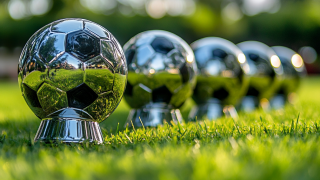
As the global market keeps evolving, you can really see the demand for innovative, eye-catching designs picking up. Take the Ball Cup, for example — it’s become a pretty essential item for folks looking for something a little different. Whether it’s for sports events, promo gatherings, or just casual hangouts, these cups bring a lot of versatility and style to the table. Both established brands and newcomers are constantly pushing the envelope when it comes to design and functionality.
But here’s the thing — buyers aren’t just after something that looks good. They want reliability and quality, plain and simple. The perfect Ball Cup can really say a lot about a company's values and help boost its brand. Every little detail counts, from the materials used to what colors are chosen. Still, not every design clicks with everyone, and that’s why it’s so important to keep refining and improving.
Trying out different options can lead to some pretty surprising discoveries. Some designs might not turn out as expected or just don’t connect with consumers. That’s why it’s crucial to listen to customer feedback and keep an eye on market trends. This year, we’re spotlighting the top-notch Ball Cup designs that really stand out and spark some inspiration. Exploring these options not only helps you make smarter purchasing choices but also shows how much creativity and innovation are shaping the industry right now.
Introduction to Top Ball Cup Designs for 2026
As we explore the evolving landscape of ball cup designs for 2026, it’s important to recognize key industry trends. Reports indicate that the global market for ball cups is expected to grow by 5% annually. This growth reflects shifting consumer preferences toward sustainable materials and innovative designs. Buyers should consider the impact of eco-friendly options as they represent a significant portion of buyer interest.
The demand for unique designs is also on the rise. Customization is no longer a luxury; it's a necessity. Buyers seek ball cups that reflect personal style and functional needs. Embracing OEM Ball Cup solutions offers a way to meet these demands effectively. Collaborating with manufacturers who specialize in OEM processes can lead to the creation of distinctive products tailored to specific markets.
Tips: When selecting a design, prioritize functionality alongside aesthetics. Evaluate the materials used for durability and environmental impact. Remember, trends can fade quickly; focus on timeless designs that resonate with your audience. Ultimately, reflecting on the purpose and user experience can lead to better choices in this competitive market.
Key Trends Influencing Ball Cup Design in 2026
As we approach 2026, ball cup designs are evolving to reflect changing consumer preferences. Sustainability is a primary focus. Designers are prioritizing eco-friendly materials that reduce environmental impact. Many new designs feature recycled plastics and organic materials. These choices align with the growing demand for responsible consumption.
Minimalist aesthetics are trending in ball cup designs. Simple shapes and muted colors dominate the landscape. This trend appeals to a wide range of buyers, offering versatility for different occasions. However, some may overlook the importance of personalized touches. Customized designs can enhance user experience and create emotional connections.
Technology also influences ball cup design. Smart cups that track hydration levels are gaining traction. While innovative, not all buyers may find these features necessary. Some prefer traditional designs over high-tech options. Designers must balance innovation with practicality. This ongoing shift offers a mix of opportunities and challenges for creators in the industry.
Innovative Materials Used in 2026 Ball Cup Production
In 2026, the world of ball cup design is set to embrace innovative materials that enhance both performance and aesthetics. Advanced polymers offer lightweight sturdiness, making them ideal for competitive use. These materials also feature improved temperature regulation, keeping beverages at their best. Designers are exploring bio-based plastics, which not only meet the demand for sustainability but also appeal to environmentally conscious consumers.
Additionally, the integration of smart technology into these cups is on the rise. Imagine a Custom Ball Cup that provides real-time data on beverage hydration levels. This concept is intriguing yet presents challenges in usability and design. Crafting a cup that balances technology with everyday comfort is no small feat. Among the innovative choices, some prototypes involve materials that change color with temperature. This adds an element of fun while providing practical benefits.
Despite these advancements, there are areas that require more thoughtful exploration. The durability of new materials is still under scrutiny. Some may not withstand rigorous use. Furthermore, the environmental impact of recycling these innovative materials needs further investigation. As we look towards these fresh designs, continuous improvement and rigorous testing are essential for reliable production.
2026 Top Ball Cup Designs for Global Buyers to Consider - Innovative Materials Used in 2026 Ball Cup Production
| Design Model | Material Used | Weight (grams) | Dimensions (cm) | Durability Rating (1-5) |
| EcoVibe Classic | Biodegradable Plastics | 50 | 8 x 8 x 10 | 4 |
| AeroPro Impact | Carbon Fiber Composite | 60 | 9 x 9 x 11 | 5 |
| FusionFlex Modern | Silicone Rubber | 55 | 8.5 x 8.5 x 10.5 | 4 |
| UltraLight Sphere | Recycled Polypropylene | 45 | 7 x 7 x 9 | 3 |
| SmartGrip Pro | Thermoplastic Elastomer | 58 | 8.2 x 8.2 x 10.2 | 4 |
Sustainable Practices in Ball Cup Manufacturing
Sustainable practices are transforming the ball cup manufacturing industry. Recent studies show that over 70% of buyers prioritize eco-friendly materials when choosing suppliers. This shift reflects growing awareness about environmental issues. To meet customer demands, many manufacturers are adopting recycled plastics and biodegradable materials.
Current data reveals that the production of ODM Ball Cups can substantially decrease carbon emissions. Reports indicate that using recycled materials can reduce energy consumption by up to 50%. However, challenges remain. The sourcing of sustainable materials often complicates production processes and can raise costs.
Moreover, manufacturers must balance sustainability with performance. Some eco-friendly materials may not withstand rigorous use, leading to concerns about product durability. Industry experts note that ongoing research is crucial to improving these designs. As buyers increasingly seek sustainable options, the focus will likely be on innovation without compromising quality.
2026 Top Ball Cup Designs for Global Buyers
Cultural Aesthetics in Global Ball Cup Designs
Cultural aesthetics play a vital role in ball cup designs across the globe. These designs reflect local traditions, colors, and symbols. Each region’s heritage influences the shape, color, and material choices. Buyers should embrace this variety when selecting a Ball Cup Supplier.
For instance, in some cultures, vibrant colors signify celebration, while in others, earth tones speak to nature’s connection. Hand-painted motifs tell stories of ancient customs. However, not every design resonates universally. Some may clash with modern tastes or practicality. Understanding cultural nuances is key for buyers.
Moreover, sustainable materials are gaining traction. Many regions now prioritize eco-friendly options. This shift makes cultural roots more relevant. Yet, balancing tradition with contemporary needs remains challenging. Buyers must navigate these complexities while sourcing from reliable Ball Cup Suppliers. Engaging with diverse designs opens doors to rich narratives and unique experiences.
Functionality vs. Aesthetics: The Balance in Ball Cup Design
In the design of ball cups, functionality and aesthetics often collide. Buyers need to understand how both elements play a crucial role. According to a recent industry report, 75% of consumers prioritize performance over appearance when selecting sports equipment. Functionality includes grip, durability, and the overall user experience during play. The right materials can enhance performance. For instance, advanced polymers can improve longevity and reduce the risk of breakage.
However, aesthetics cannot be completely sidelined. Research indicates that 65% of consumers are influenced by design when making buying decisions. Eye-catching colors and innovative patterns attract buyers. This balancing act can be challenging for manufacturers. They must create products that perform exceptionally while looking appealing. Some designs may fall short in one area. A cup that looks great may not deliver in performance, leading to buyer disappointment.
Understanding customer preferences is vital. Companies must invest in research to find what blends both needs effectively. Engaging with players and buyers can provide valuable insights. This approach helps avoid common pitfalls in design. Getting feedback early can inform future iterations and improve market reception.
Top Brands and Designers to Watch in 2026 Ball Cup Market
The 2026 ball cup market is set to experience significant transformations. Top brands are focusing on innovative materials and sustainable practices. A recent industry report suggests that approximately 40% of buyers now prioritize eco-friendly products. This shift emphasizes the need for designers to adapt and innovate.
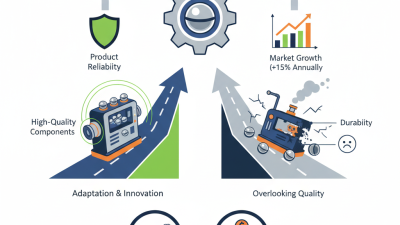
Key designers are exploring the intersection of functionality and aesthetics. New designs showcase vibrant colors and ergonomic shapes. This creates cups that are not only visually appealing but also enhance user experience. A study predicts that these design improvements could lead to a 15% increase in sales over the next few years.
However, challenges remain. Some brands struggle with balancing cost and quality. Maintaining affordability while integrating premium materials can be difficult. As competition grows, staying relevant requires constant adaptation. The evolving landscape necessitates that brands listen closely to consumer feedback. Recognizing what works and what doesn't is crucial for success in this dynamic market.
FAQS
: Sustainability and minimalist aesthetics are the main trends. Eco-friendly materials and simple shapes are popular.
Consumers prefer eco-friendly options. This reflects a growing commitment to responsible consumption and reducing environmental impact.
Designers create simple shapes and muted colors. Their approach appeals to various buyers for different occasions.
Yes, customized designs can enhance user experience. They help build emotional connections with the product.
Smart cups that track hydration are emerging. However, some consumers prefer traditional designs without high-tech features.
Sourcing eco-friendly materials can complicate production and increase costs. Balancing sustainability with product durability is crucial.
Some sustainable materials may not endure rigorous use. This raises concerns about durability for buyers.
Ongoing research is essential for improving sustainable designs. It can help ensure quality while meeting consumer demand.
Growing preferences guide designers. They must adapt to trends while also considering practicality and performance.
Innovation in materials without sacrificing quality will likely take center stage as buyers seek better options.
Conclusion
The article "2026 Top Ball Cup Designs for Global Buyers to Consider" explores the latest trends and innovations in ball cup design for the upcoming year. It begins with an introduction to the top designs anticipated in 2026, followed by a discussion of key trends that are shaping the industry. Notably, innovative materials and sustainable practices are at the forefront of ball cup production, reflecting a growing awareness of environmental impacts in manufacturing processes.
Additionally, the article delves into the importance of cultural aesthetics, highlighting how global influences contribute to diverse ball cup designs. It emphasizes the delicate balance between functionality and aesthetics, which remains crucial in appealing to modern consumers. The piece concludes with insights into prominent brands and designers that are likely to lead the ball cup market, showcasing the dynamic nature of this product category as it evolves to meet consumer preferences and ethical standards.