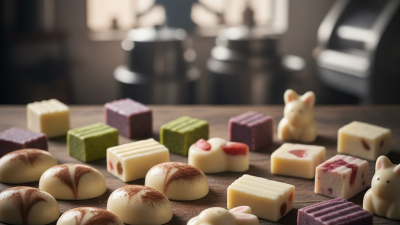
As we look ahead to 2026, the candy scene is really heating up and changing all the time. One thing that's been catching people's attention is Milk Chewy Candy. It’s this awesome combo where the creamy, rich taste of milk meets a fun, chewy texture—no wonder folks all over the world are hooked! Big brands are stepping up their game too, coming out with new flavors and textures to keep things interesting.
You’ve probably heard of Morinaga and Hi-Chew—they’re pretty much household names by now, and people really trust them. But, of course, the market isn’t without its hurdles. More and more new brands are popping up trying to make a name for themselves, and with so many flavors out there, it can get kinda overwhelming—or even confusing for shoppers. Consumers are also really looking for ingredients they can trust; they want brands that are transparent and use wholesome stuff.
For buyers around the world, keeping up with these trends is super important. They need to find reliable info about which brands are truly standing out in terms of quality and taste. Picking the right ones isn’t always easy—there’s a lot to consider: matching customer preferences, ensuring safety, and maintaining high standards. Looking ahead, we’ll probably see both fresh innovations and a nod to the good old classic flavors. So, it’s definitely a market worth paying close attention to as everything unfolds.
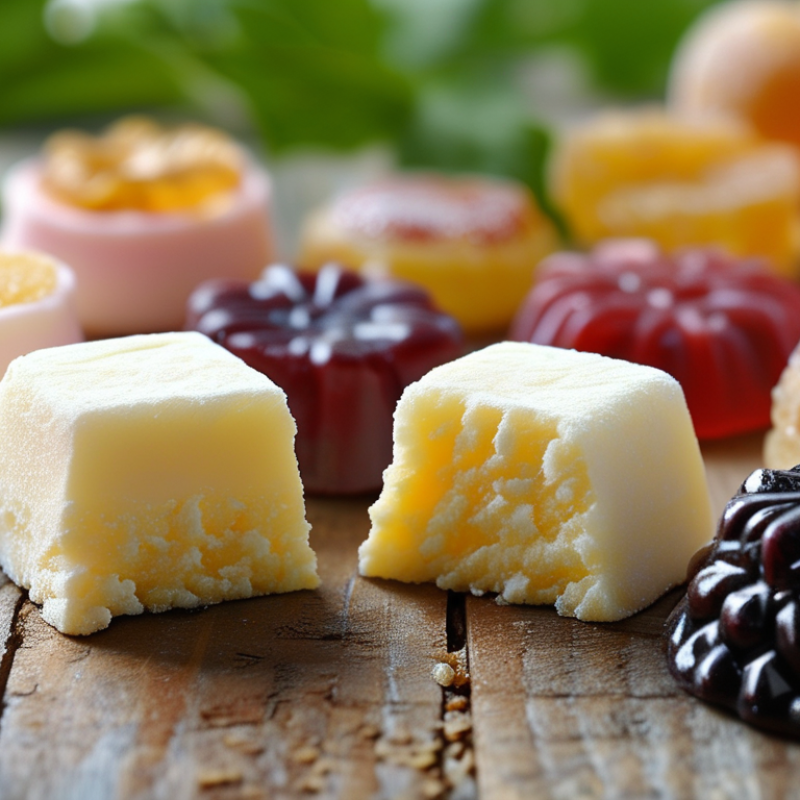
Overview of the Global Milk Chewy Candy Market in 2026
The global Milk Chewy Candy market in 2026 is poised for significant growth. Consumers are increasingly drawn to unique textures and flavors. This demand drives the expansion of various brands catering to diverse tastes and preferences.Chewy Milk Candy is not just a treat; it embodies nostalgia for many.
Increased health awareness is shaping the market as well. Manufacturers are exploring healthier ingredients. This includes natural flavors and reduced sugars. However, the challenge lies in maintaining the chewy, flavorful experience that consumers love. The balance between health and indulgence is delicate but crucial.
Market research indicates that regional preferences play a vital role. Different cultures have unique takes on chewy Milk Candy. Understanding these nuances is key for brands to succeed. However, not every innovation will resonate with consumers. Some ideas may need further refinement. The journey of the global milk chewy candy market is filled with opportunities and uncertainties.
Top 10 Milk Chewy Candy Brands for Global Buyers in 2026
| Rank | Market Share (%) | Revenue (Million USD) | Growth Rate (%) | Key Regions |
| 1 | 25.0 | 500 | 10.5 | North America, Europe |
| 2 | 18.0 | 360 | 8.3 | Asia-Pacific |
| 3 | 15.5 | 310 | 9.1 | Latin America |
| 4 | 12.0 | 240 | 7.5 | Middle East, Africa |
| 5 | 10.0 | 200 | 6.8 | North America, Europe |
| 6 | 8.5 | 170 | 7.0 | Asia-Pacific |
| 7 | 7.0 | 140 | 6.0 | Latin America |
| 8 | 5.5 | 110 | 5.5 | North America |
| 9 | 4.0 | 80 | 4.0 | Europe |
| 10 | 3.0 | 60 | 3.8 | Asia-Pacific |
Key Factors Driving Milk Chewy Candy Brand Growth Worldwide
The global milk chewy candy market is experiencing significant growth, driven by several key factors. One major aspect is the rising consumer preference for nostalgic flavors. Many buyers are gravitating towards candy that reminds them of their childhood. This demand creates opportunities for brands to innovate and capture attention with classic recipes.
Additionally, the expansion of e-commerce has made these candies more accessible. Consumers prefer online shopping due to convenience. They can compare prices and read reviews easily. This shift is reshaping how brands connect with buyers. Packaging plays a crucial role as well. Attractive designs can influence purchase decisions significantly.
Health consciousness is another important factor to consider. Some brands are exploring ways to incorporate natural ingredients. The goal is to reduce artificial additives while maintaining taste. This focus can appeal to parents concerned about children's nutrition. However, developing healthier options can be challenging. Balancing health and flavor remains a work in progress for many manufacturers. The industry must continually adapt to meet evolving consumer needs and preferences.
Top 10 Milk Chewy Candy Brands: An In-Depth Review
When exploring the world of milk chewy candies, quality and variety stand out. Buyers often seek unique flavors and textures. These candies evoke nostalgia, bringing back childhood memories. Each brand showcases its own methods, often using traditional recipes. Many manufacturers focus on unique ingredients to enhance taste.
The rise of OEM Milk Chewy Candy is remarkable. This segment allows businesses to offer custom products that cater to regional tastes. Customers can personalize flavors and packaging. However, this flexibility can lead to inconsistencies in quality. Not every OEM product meets high standards. It's crucial to test samples before placing large orders.
Attention to texture is vital. A chewy candy must strike a balance between softness and firmness. Too soft, and it becomes unappealing; too hard, and it's off-putting. Buyers often overlook this detail. Each brand presents its interpretation, which can lead to varied customer experiences. Sourcing from reputable manufacturers helps ensure better quality control, but always ask for feedback.
Innovative Flavors and Ingredients in Milk Chewy Candies
In recent years, the demand for milk chewy candies has surged thanks to innovative flavors and ingredients. According to a report by Technavio, the global chewy candy market is projected to grow by nearly $16 billion from 2022 to 2026. This growth reflects consumers’ desire for unique taste experiences. Milk chewy candies, known for their creamy texture and sweet flavor, are particularly favored.
Interestingly, new flavors are emerging in the market, such as matcha, tropical fruits, and even spicy blends. These innovations enhance the traditional milk flavor, appealing to adventurous consumers. The incorporation of ingredients like collagen and superfoods is also gaining traction. This shift creates a perception of health benefits while enjoying candy. However, balancing health and taste can be challenging. Some consumers may find these new flavors overwhelming or confusing.
Beyond flavors, the market is witnessing a demand for Custom Milk Chewy Candy options. Consumers are leaning towards personalized experiences. Companies must adapt quickly to these trends.
Yet, some brands struggle with scaling production while ensuring quality. Competitors that can meet this demand effectively will likely gain an edge. However, they must also monitor consumer feedback closely to refine their offerings continuously.
Market Trends Influencing Consumer Preferences in 2026
The candy market is evolving rapidly, influenced significantly by consumer preferences. By 2026, the demand for milk chewy candies is expected to grow considerably. Data shows that the global chewy candy market will hit a valuation of approximately $15 billion by 2026, primarily driven by consumer shifts towards healthier and low-sugar options.
Health-conscious consumers are increasingly leaning towards candies made with natural ingredients. A recent survey found that 73% of candy shoppers prefer products with minimal additives. This trend encourages brands to innovate and reformulate their recipes. However, maintaining quality while cutting sugar is a daunting task. Some brands may face challenges in balancing taste and health benefits.
Tips: When choosing chewy candies, look for those labeled "natural" or "organic." The ingredient list matters, so opt for brands that prioritize transparency. Pay attention to sugar content too; less is often better.
Moreover, the rise of convenience shopping via e-commerce platforms is shaping buying habits. Many consumers now seek a wider variety of options online, creating a demand for unique flavors. However, while online shopping makes access easy, it complicates quality control for some products. Shoppers must remain vigilant about sourcing trustworthy brands.
Comparative Analysis of Brand Packaging and Marketing Strategies
In the competitive market of chewy milk candies, brand packaging and marketing strategies play crucial roles. A recent industry report indicates that packaging contributes up to 30% of product purchase decisions. Attractive designs can capture consumer attention, while functional packages ensure freshness. Brands must focus on sustainability as consumers prefer eco-friendly options. Research shows that over 60% of buyers are influenced by environmental initiatives.
Marketing strategies should resonate with target demographics. For 2026, insights suggest that online marketing is essential, especially on social media platforms. Engaging visuals with short, catchy messages often drive consumer interest. Additionally, influencer partnerships can enhance brand visibility. However, brands must be careful; influencer marketing can backfire if not authentic.
Market data also indicates that customization is a growing trend. Consumers enjoy having options to personalize flavors and packaging. Yet, brands should reflect on whether they can deliver on these promises. Balancing innovative marketing with realistic customer expectations is vital. A mismatch here can lead to disappointment and loss of trust. Engaging with buyers and adapting to their feedback can strengthen brand loyalty.
Future Predictions for Milk Chewy Candy Brands Beyond 2026
As we pave the way into 2027 and beyond, the landscape of milk chewy candy brands continues to evolve. Consumers are becoming more discerning about ingredients and sourcing. They seek out candies that are not just tasty but also align with their health preferences. In response, brands producing ODM Milk Chewy Candy are likely to focus on natural ingredients and reduced sugar. Transparency will become paramount. Buyers will expect detailed sourcing information.
Additionally, sustainability will play a crucial role. Brands that adopt eco-friendly packaging and responsible sourcing will stand out. Expect to see innovations in flavors and textures too. Unique combinations will entice new consumers looking for novel experiences. However, the challenge remains: balancing taste, health, and sustainability may not always be easy.
Adapting to market demands requires agility from brands. As they strive to maintain quality while innovating, some may falter. It's vital for these brands to understand consumer feedback and evolve accordingly. Buyers will play a greater role in shaping the future of ODM Milk Chewy Candy, pushing brands toward greater accountability and creativity. The road ahead is filled with both opportunities and challenges.
Exploring the Surge of Mint Cool Refreshing Instant Chewable Coffee Candy: Insights from the Global Candy Market Report 2023
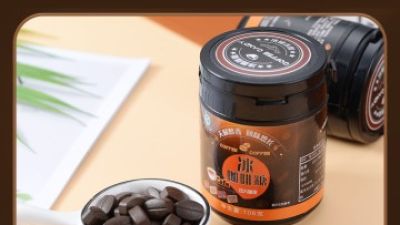
The global candy market is witnessing a remarkable surge in innovative products, with mint-infused chewable coffee candy emerging as a significant trend in 2023. This refreshing treat combines the invigorating taste of coffee with a minty twist, appealing to both coffee lovers and candy enthusiasts. According to recent data from the Global Candy Market Report, the demand for gourmet candies has been on the rise, driven by a growing consumer preference for unique flavor profiles and convenient snacking options. The report highlights that the global candy market is expected to grow at a CAGR of over 5% in the coming years, underscoring the lucrative potential for new product introductions.
One of the standout features of mint coffee candy is its formulation using 200 mesh ground coffee powder, ensuring a rich and robust coffee flavor in every chewy bite. The minty refreshing taste not only invigorates the palate but also provides a cooling sensation that is perfect for all-day enjoyment. In addition, the candy is produced under strict hygiene standards and offers convenient packaging options that cater to on-the-go lifestyles. This attention to quality and convenience resonates with consumers looking for both pleasure and practicality in their snacking choices.
Moreover, the market is favorable for businesses interested in custom offerings, with options for OEM/ODM, trade, and wholesale agreements. Companies can take advantage of the growing interest in unique candy experiences. For those considering entering this booming segment, free inventory samples are available, encouraging potential partnerships and exploration of this deliciously innovative product. The combination of coffee and candy presents an exciting opportunity for manufacturers to tap into the evolving tastes of global consumers.
FAQS
: Innovative flavors and ingredients have surged interest, appealing to consumers' desire for unique taste experiences.
New flavors include matcha, tropical fruits, and spicy blends, enhancing traditional milk flavors.
The incorporation of health-focused ingredients, like collagen, offers perceived benefits but can be confusing to some consumers.
Consumers prefer personalized experiences, prompting brands to offer more customizable candy options.
Brands struggle to maintain quality while quickly adapting to changing consumer tastes and preferences.
Increased transparency about ingredients and sourcing, as well as healthier options with reduced sugar.
Eco-friendly packaging and responsible sourcing are becoming crucial for brands to stand out in a crowded market.
Unique flavor combinations and textures will attract consumers seeking new experiences, but balancing these elements is tricky.
Brands must monitor feedback closely, adapting their offerings to meet evolving consumer demands and expectations.
Inability to innovate while ensuring quality may lead brands to struggle amidst increasing competition and market demands.
Conclusion
The article titled "Top 10 Milk Chewy Candy Brands for Global Buyers in 2026" provides a comprehensive overview of the global milk chewy candy market. It highlights key factors driving brand growth, such as increasing consumer demand for unique flavors and healthier ingredients. The article delves into an in-depth review of the top ten brands, exploring innovative flavors and market trends that influence consumer preferences in 2026. It also includes a comparative analysis of packaging and marketing strategies that help these brands stand out in a competitive landscape.
Looking ahead, the article predicts significant developments in the milk chewy candy sector beyond 2026, emphasizing the need for brands to adapt to consumer trends and preferences. Overall, it underscores the dynamic nature of the milk chewy candy market and the evolving tastes of global buyers.