Leave Your Message
0%

You know, as people become more aware of sustainability, there's been a real surge in demand for eco-friendly products. Take the Planet Cup market, for example — it’s really taking the spotlight right now and looks like it’s going to grow a lot by 2026. According to a recent report from Grand View Research, the global market for reusable cups is expected to hit around USD 3.8 billion by then, growing at about 7.4% annually. It's pretty clear that worries about the environment, combined with consumers wanting more sustainable options, are driving this explosion.

A bunch of brands are really stepping up here. Big names like KeepCup and S'well have earned solid reputations because of their quality and cool designs. And inside the startup scene, folks are jumping in with fresh ideas to shake things up and grab some market share. Still, competition’s pretty tough, so brands need to keep adapting if they want to stay relevant. Having a unique angle or catchy marketing is pretty much essential these days.

But, of course, it’s not all smooth sailing. Finding that sweet spot between being eco-friendly and practical can be tricky. Some brands might get caught up in making their cups look good but forget if they’re actually user-friendly. Plus, educating people about why Planet Cups are a good idea? Yeah, it’s still a bit of a challenge. As everything keeps evolving, brands really need to re-think their approaches—balancing sustainability with making sure folks actually want to use their products every day.
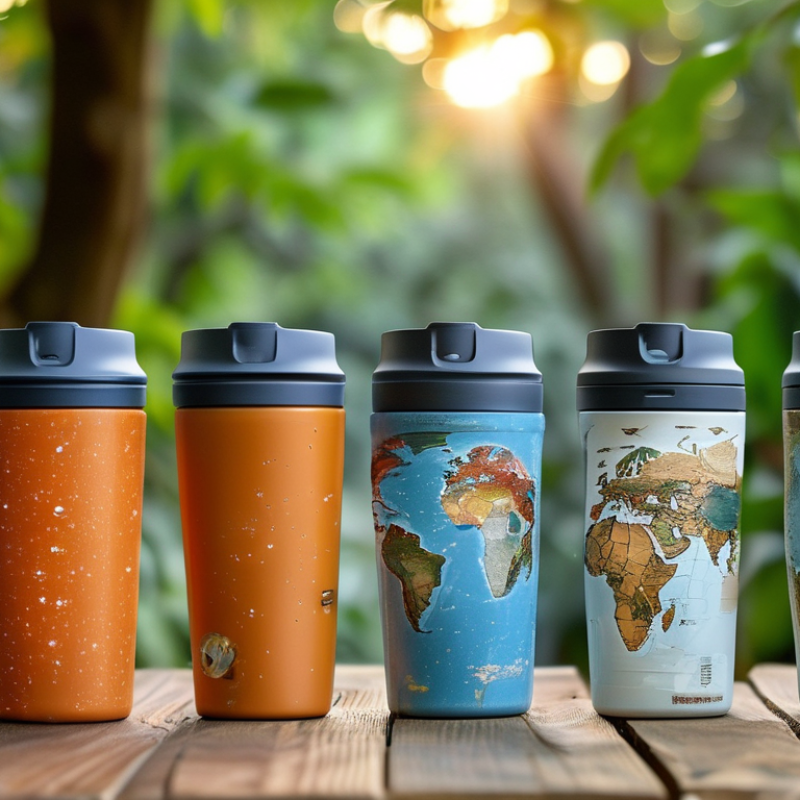
Top 10 Planet Cup Brands for Global Buyers in 2026?

Leading Factors Influencing Planet Cup Brand Popularity in 2026

In 2026, the popularity of Planet Cup brands will significantly shift due to various factors. Market analysts project a steady increase in demand, estimating a growth rate of 15% in consumer preference for sustainable materials. Environmentally friendly designs are crucial. Brands focusing on eco-friendly practices will gain traction among global buyers.

Another key influence is the customization trend. Consumers increasingly seek unique products tailored to their tastes. The rise of OEM Planet Cup manufacturers supports this desire for personalization. Reports indicate that 70% of buyers are more likely to purchase cups that reflect their individual style.

Additionally, social media plays a vital role. Many brands leverage platforms to engage with consumers directly. Effective marketing strategies can elevate brand visibility. Yet, not all brands successfully navigate these platforms, leading to mixed results. Some face challenges in authenticity. Building trust remains a hurdle, especially for new entrants. Brands must continuously adapt to shifting consumer expectations to remain relevant.

Analysis of Consumer Preferences for Planet Cups Among Global Buyers

Consumers are increasingly drawn to innovative designs in planet cups. Many buyers prioritize sustainability and eco-friendliness. Materials used in these cups often take center stage. Reusable options are preferred as they reduce waste. Colors and patterns also play a role. Buyers appreciate unique aesthetics that reflect their personality and values.

Price tends to influence purchase decisions significantly. While some consumers seek luxury options, many others want affordability without sacrificing quality. A balance is often hard to find. Additionally, the messaging around the product matters. Brands that emphasize social responsibility attract a loyal customer base. Buyers are more likely to support companies with transparent practices.

However, not all preferences align. Some buyers express frustrations about quality inconsistencies. Others report dissatisfaction with the available options. This disconnect suggests a need for brands to listen closely to consumer feedback. Understanding what buyers truly want is essential. As trends evolve, fulfilling these demands will be crucial for success in the market.

Top 10 Planet Cup Brands for Global Buyers in 2026 - Analysis of Consumer Preferences

Rank Brand Type Material Type Average Price (USD) Eco-Friendly Rating Consumer Satisfaction (%)
1 Recyclable Plastic PP 15 4.5 85
2 Bamboo Fiber Natural 20 5.0 90
3 Stainless Steel Metal 25 4.8 88
4 Silicone Flexible 18 4.2 80
5 Glass Recycled 30 5.0 92
6 Ceramic Natural 22 4.7 87
7 Biodegradable Plastics PLA 16 4.6 84
8 Collapsible Cup Silicone/Plastic 20 4.4 82
9 Travel Mug Stainless Steel 35 4.9 89
10 Insulated Cup Bamboo/Steel 28 5.0 91

Top Features and Innovations in the Leading Planet Cup Brands

In 2026, the landscape of planet cups will be shaped by innovative designs and sustainable materials. Brands are increasingly focusing on environmental responsibility. The integration of biodegradable materials is a significant shift. Consumers now prioritize products that align with eco-friendly values.

Leading brands are also innovating in functionality. Many cups now feature double-wall insulation. This design keeps beverages hot or cold for longer periods. Some even incorporate smart technology to monitor temperature. This blend of practicality and modernity appeals to tech-savvy buyers.

Tips: Choose brands with transparent sourcing. Look for certifications that verify eco-friendly claims. Engaging with community reviews can offer valuable insights into product durability and performance. Take time to compare features before making a purchase. Reflect on your needs and preferences, ensuring the chosen cup truly suits your lifestyle.

Market Share and Growth Potential of Top Planet Cup Brands in 2026

The global market for planet cups is evolving rapidly as consumer awareness and preferences change. In 2026, brands that focus on sustainable materials will likely dominate. These brands are adopting eco-friendly practices, aiming to appeal to environmentally conscious buyers. The shift toward biodegradable and reusable options is crucial. Companies investing in innovative designs and multifunctional products can capture more market share.

According to recent analyses, the growth potential for leading planet cup brands hinges on their adaptability. Emerging trends indicate that personalization could enhance customer loyalty. Brands that offer customization options may benefit from higher engagement rates. However, market saturation remains a risk. Many smaller brands vie for attention, making it essential for larger players to differentiate themselves effectively.

Some brands might struggle with pricing strategies. Balancing affordability with quality is a challenge that could impact their growth trajectory. As competition intensifies, the reliance on digital marketing will be vital. Companies need to analyze customer feedback and trends. Understanding consumer preferences is essential for sustained success in this dynamic landscape.

Sustainability Practices Among the Leading Planet Cup Manufacturers

In 2026, the emphasis on sustainability is reshaping the landscape of planet cup manufacturers. Many companies now prioritize eco-friendly materials and production methods. Custom Planet Cup designs often incorporate recycled substances, which reduces waste effectively. This push toward sustainability also reflects a growing consumer demand for responsible products.

Manufacturers are exploring innovative packaging solutions as well. Biodegradable options are gaining traction. They not only appeal to environmentally conscious buyers but also contribute to a circular economy. It's important to note, however, that not all brands implement these practices equally. Some still rely on traditional, less sustainable materials, raising questions about authenticity.

Despite industry progress, challenges remain. Achieving true sustainability requires constant evaluation and adaptation. Many brands face difficulties in sourcing materials ethically. Transparency in supply chains is essential yet often overlooked. Striking a balance between cost and eco-conscious practices poses a dilemma for many manufacturers. Ultimately, discerning buyers must scrutinize claims to support genuine efforts towards sustainability.

Top 10 Planet Cup Brands for Global Buyers in 2026

This chart represents the sustainability practices and eco-friendly initiatives taken by leading planet cup manufacturers, focusing on their recycling processes, use of biodegradable materials, and energy-efficient production methods.

Comparative Review of Pricing Strategies in Top Planet Cup Brands

In the competitive landscape of 2026, pricing strategies for ODM Planet Cup brands are crucial. Many brands are adjusting their approaches based on regional market trends. Reports indicate that price elasticity plays a significant role; a 2023 study revealed that a 10% decrease in pricing can boost sales by approximately 15% in the mid-range segment.

Value-driven pricing is on the rise. Brands leverage consumer insights to create perceived value. This strategy helps in maintaining loyalty despite price fluctuations. Interestingly, premium brands are also adopting competitive pricing. They aim to attract price-sensitive consumers without diluting their brand image. Yet, it's critical to balance quality with cost, as losing sight of product integrity can lead to negative consumer perceptions.

Moreover, sustainability influences pricing strategies. Many ODM Planet Cup brands are incorporating eco-friendly processes. This often leads to higher production costs, which can be passed on to consumers. Transparency in pricing becomes vital. If consumers perceive that they are paying for ethical practices, they may be more willing to embrace higher price points. However, brands must be cautious. Overpricing, even for sustainable products, could alienate potential buyers.

Future Trends in Planet Cup Design and Functionality for Global Markets

In 2026, the demand for innovative Planet Cups is expected to rise significantly. Buyers seek products that combine functionality with sustainable design. The materials used will become more eco-friendly. This transition will appeal to environmentally conscious consumers.

Planet Cup design must adapt to diverse global markets. Aesthetic versatility is crucial. Customization options will likely attract younger buyers. Interactive features could enhance user experience. However, not all designs will meet functional needs. Balancing form and usability presents a challenge for brands.

Suppliers must evaluate their approach. Relying solely on trends may lead to misalignment with consumer preferences. Flexibility in production processes will be essential. Planet Cup Suppliers should invest in research. Understanding market behaviors will help shape future products. Design innovation will remain a key driver for competitiveness in this evolving landscape.

FAQS

: What are the key features of modern planet cups?

: They include double-wall insulation and smart technology for temperature monitoring.

Why are biodegradable materials important for planet cups?

They reflect a focus on environmental responsibility and align with consumers' eco-friendly values.

How can I choose an eco-friendly planet cup?

Look for transparent sourcing and certifications that verify eco-friendly claims.

What should I consider before purchasing a planet cup?

Reflect on your personal needs and preferences. Compare features among different options.

How is customization relevant to planet cup buyers?

Customization appeals particularly to younger consumers seeking unique products.

What challenges do brands face in planet cup design?

Balancing aesthetics with usability can be difficult and may result in some products lacking functionality.

How can suppliers stay relevant in the planet cup market?

They should invest in research and maintain flexibility in their production processes.

What is the future outlook for planet cup designs?

Innovations will likely focus on functionality, sustainability, and aesthetic versatility to attract diverse markets.

How important are community reviews for choosing a planet cup?

Community insights can provide valuable information on durability and performance.

What might happen if brands rely only on trends?

This could lead to a disconnect with consumer preferences and unsatisfactory products.

Conclusion

The article "Top 10 Planet Cup Brands for Global Buyers in 2026" explores the factors that drive the popularity of Planet Cups among consumers worldwide. Key elements influencing brand success include consumer preferences for eco-friendly designs, innovative features, and price competitiveness. The analysis highlights how sustainability practices are becoming integral to brand strategies, as buyers increasingly prioritize environmentally conscious products.

Furthermore, the piece examines market share trends and growth potential for leading Planet Cup brands, shedding light on future design and functionality trends that cater to the evolving needs of global consumers. As market dynamics shift, the emphasis on innovative technologies and sustainable practices will likely shape the competitive landscape of Planet Cups in the coming years.
Nathan

Nathan

Nathan is a dedicated marketing professional at Shantou Xiangguo Food Industry Co., Ltd., where he leverages his extensive expertise to enhance the company's brand presence. With a deep understanding of the food industry, Nathan plays a pivotal role in showcasing the quality and innovation that......
Previous How to Choose the Best ODM Custom Chia Fudge Factories for Your Business?