- 247897209@qq.com
- Mon - Sat at 7:00AM to 9:00PM
Leave Your Message
Taking into account the rapidly changing trends in the food industry, the ingredient that creates ever-increasing product possibilities, along with health-conscious consumer demand, is paramount. Ginger Sugar is one such ingredient with a significant phenomenon. This sweetener derived from the natural goodness of ginger is unique in that it does impart certain distinctive flavors and beneficial health effects. Adding Ginger Sugar to the product lineup will give companies like Shantou Xiangguo Food Industry Co., Ltd. and YI GUO LIN, which engaged in the production of a varied range of snack foods, like pressed candy, soft candy, and preserved fruits, an upper hand toward product differentiation and market acceptance.
Wherever Ginger Sugar could go, new facets open for growth and customer engagement. As a private enterprise integrating scientific research, product warehousing, and management, YI GUO LIN is positioned very well to understand the transformational effect of this ingredient on its products. From bestowing taste attributes to health benefits, the attributes of Ginger Sugar perfectly fit the requirements of today's consumers. In this blog, we shall discuss seven functions of Ginger Sugar which not only articulate the benefits it offers but also show how companies in the snack food business can profit from it.
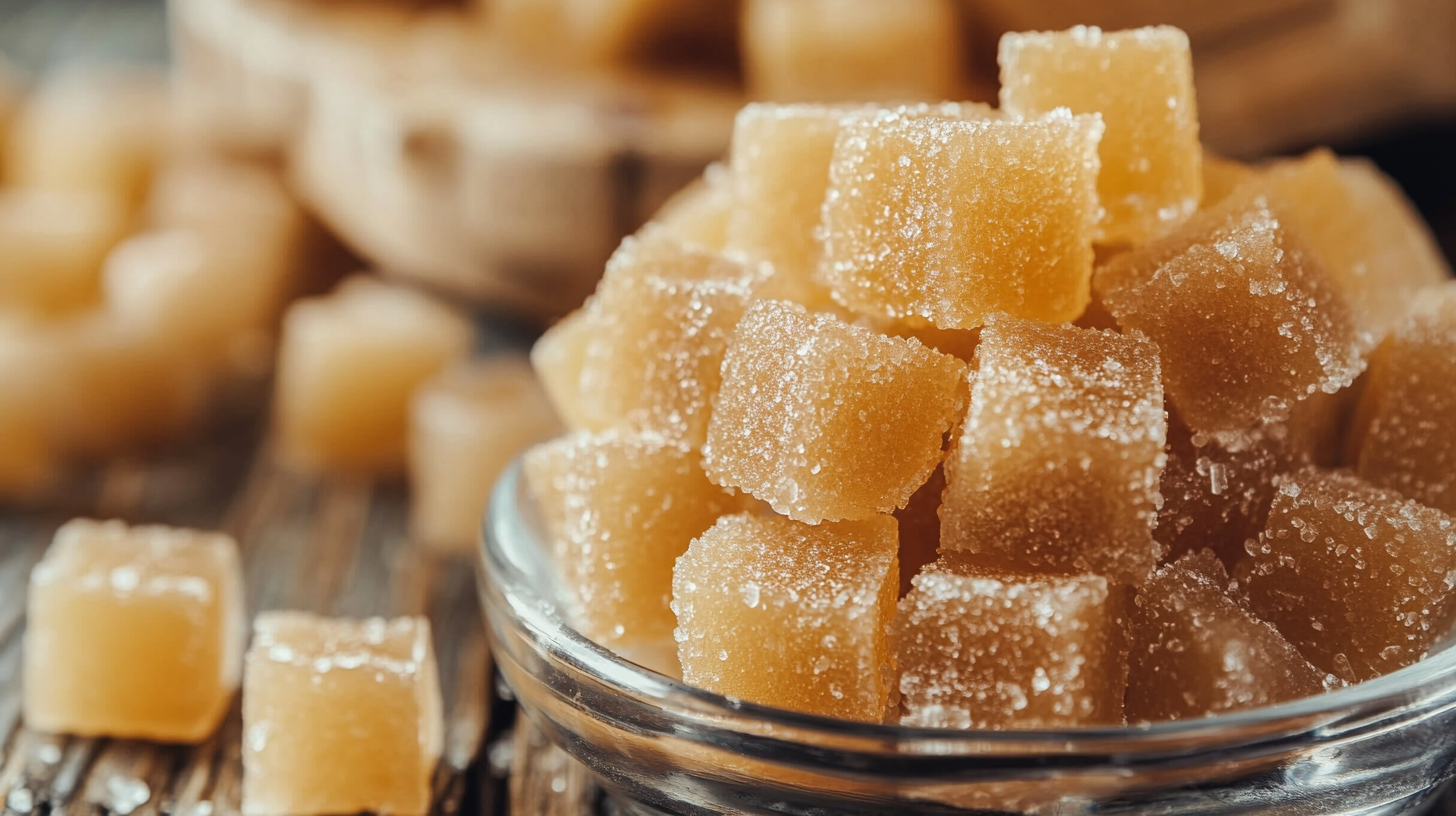
Ginger sugar is an absolutely inventive newfound thing that mingles Ginger And Sugar. It is becoming more popular with time in the food industry. This special ingredient delivers a flavor beyond imagination and offers various health benefits for potential enhancement in the product. The research and markets report noted that by the year 2027, the global natural sweeteners market, which also includes ginger sugar, would rise to $100 billion. This outcome would find impetus in an increase in consumers preferring healthier alternatives to refined sugars. Ginger sugar has a very compelling quality as an anti-inflammatory and antioxidant agent. Ginger bioactives, such as gingerol, have been shown to help improve digestion, reduce nausea, and boost immunity. "Ginger can be part of a healthy diet that helps to lower risk for chronic disease," states a study published in the Journal of Food Science. This is true and increasingly contributes to the purchase decisions of consumers motivated by health. This figures ginger sugar to be used as more than a sweetener but also a functional ingredient with wellness claims. Ginger sugar can thus be used from baking to beverage preparation, allowing for continuing development in the culinary scene. This makes the warming spice another ingredient that can hold products apart and fosters a growing market interested in distinct taste experience. Familiar with but modernized, flavors that include much-loved spices speak to the consumer according to Mintel's Global Food and Drink Trends report. Ginger sugar thus has the potential to interest this changing palate, making it a strategically positioned ingredient to have for businesses looking to innovate and stake their claim in a competitive market.
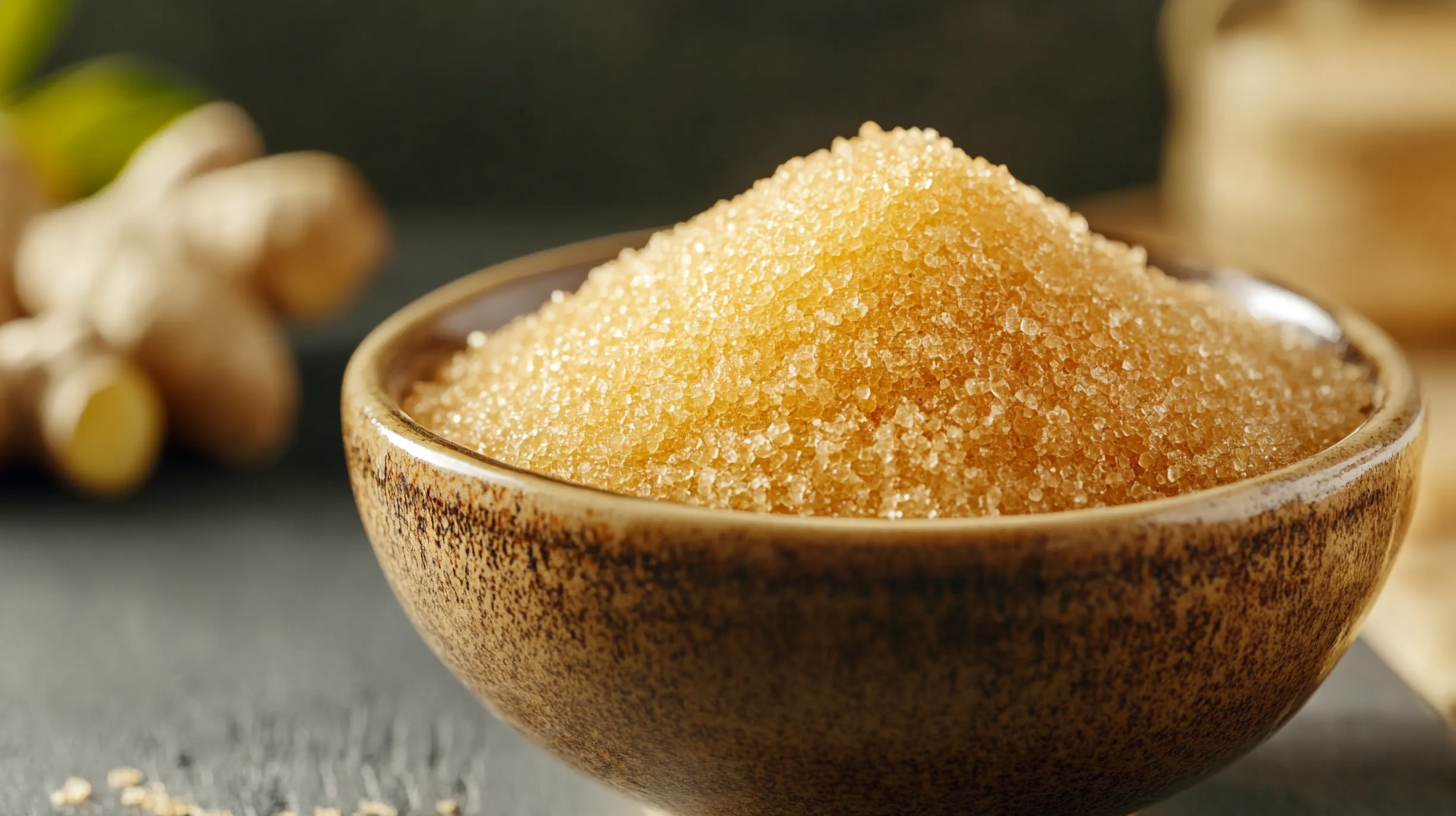
Up and coming in the culinary world, ginger sugar is an extraordinary blending of sweet and spicy flavor able to outdo other ingredients. The use of ginger sugar enhances flavor applications, creating a sensory experience regarded as consumer bait from a business standpoint. Here, we find another example where the natural sweetener keeps things interesting in baked products as the contrast would do wonders against savory combinations.
What is most interesting about ginger sugar is its adaptability in equation and therefore is fitting for all categories, namely: beverages, sauces and marinades, this adds warmth and complexity. The chai latte with ginger sugar will accentuate aromatic spices and transform it into an enviable beverage. In sauces, it can offset acidity and lend some sweetness to an otherwise boring condiment. Such versatility will allow product developers to play and give the extra edge of creating diverse flavors that can provide a distinguishing factor amidst a sea of sameness therein.
Furthermore, the health benefits associated with ginger greatly contribute to the attractiveness of ginger sugar. With its rich antioxidant and anti-inflammatory properties, it improves taste and gives a nutritional stand to the products. The more health-conscious consumers are, the more ginger sugar gives a reason for businesses to sell their products not just as something delectable but also as something that does good. With the extra boost for flavoring and health, ginger sugar comes forth as an important ingredient with which companies can position themselves in an already very competitive segment.
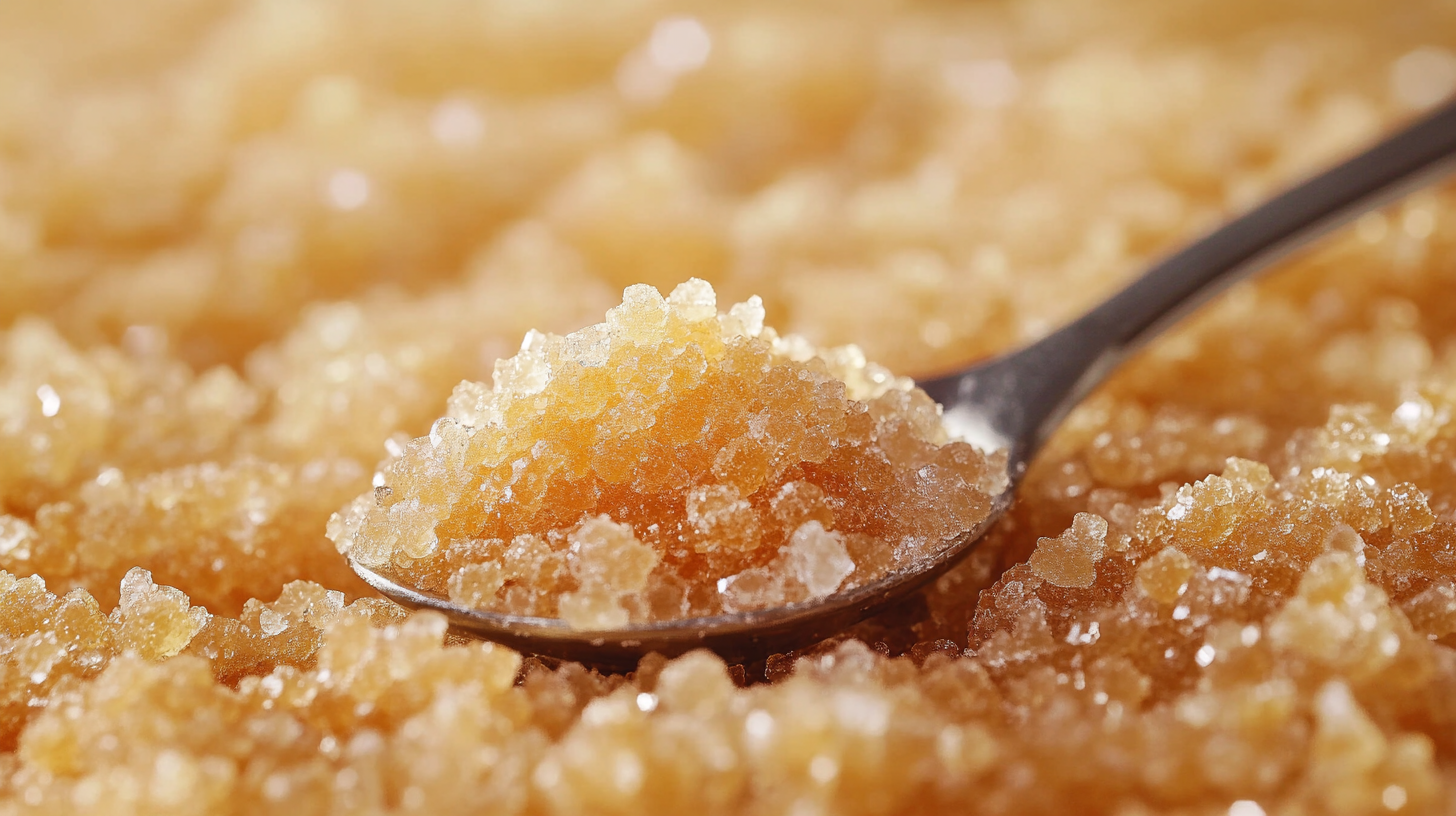
Ginger sugar, in its perfect combination of the natural sweetness of sugar and the piquancy of ginger, is fast acquiring fervor in culinary applications and also health benefits. For its connoisseurs, this novel sweetener reaches far beyond the realm of taste: It also brings into practice the medicinal properties of ginger, which traces back to anti-inflammatory as well as antioxidant effects, of great importance to maintain a well-balanced diet.
Perhaps the most important of the health claims that ginger sugar makes is for aid in digestive complaints. The ginger has been utilized over centuries to alleviate discomfort in the gastrointestinal tract, provide alleviation to bloating, and boost overall digestive health. Ginger sugar could therefore be added to herbal teas and desserts to assist people in having a good time while looking after television digestion. Besides, ginger is well regarded for its immune-boosting abilities, meaning the regular intake of ginger sugar will help ward off colds and infections for all those interested in staying fit throughout the year.
Moreover, ginger sugar would be a more healthful alternative to many common sweeteners. With its natural flavor and health-benefiting properties, it can suppress sweet cravings sans any guilt attached to refined sugar. This consideration really appeals to health-conscious types looking for functional foods to positively impact their health. As more consumers realize that diet directly affects health, this multifaceted benefit will appeal to anyone seeking delicious and nourishing options.
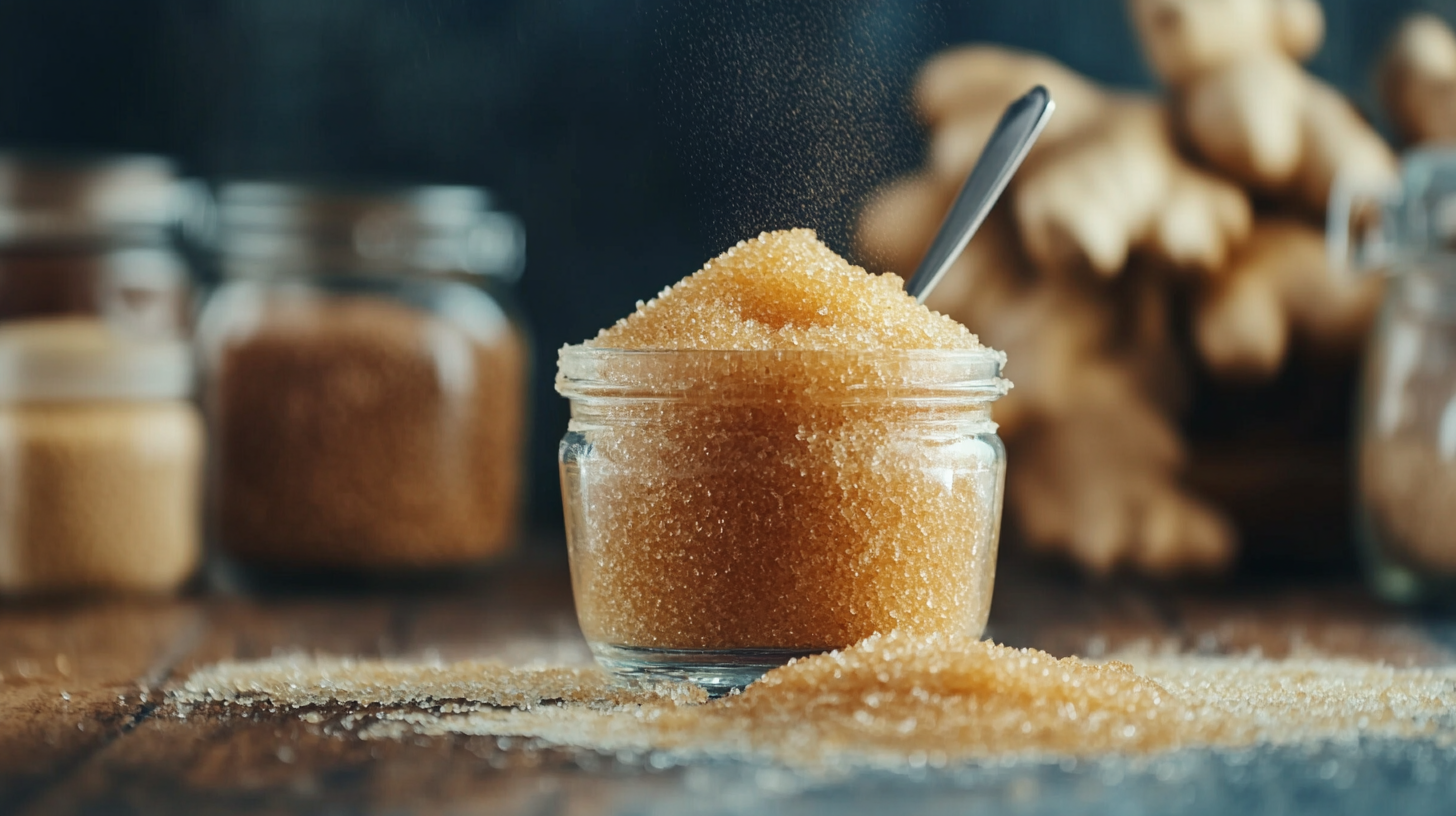
Ginger sugar has attracted a good deal of attention in being cost-effective with the production of food over the years. Studies undertaken show that incorporation of ginger sugar produces flavor enhancement well as benefits of an anti-inflammatory and antioxidant nature. Therefore, across the globe, market research saw a forecast from Grand View Research for the global ginger products market, which is expected to attain USD 4.25 by the year 2025 altogether. This market would reflect that consumers are much more inclined towards natural and functional ingredients that are health improving and livings enhancing.
Production-wise, ginger sugar can be used as an ingredient that can be incorporated into many food products. It should minimize the need for artificial sweeteners and additives. A report by the FAO states that using natural sweeteners like ginger sugar is in line with the trends in consumer preference for clean-label products and provides support to sustainable production practices. Because of this drive toward healthier ingredients, it is forcing companies to rethink their formulations, and ginger sugar happens to be one very attractive option based on its cost-to-benefit ratio.
Incorporation of ginger sugar thereby generates considerable savings in production costs. A paper in the Journal of Agricultural and Food Chemistry suggests that the use of ginger extracts may significantly lower the content of sugar in various products, without affecting taste. This will not only ensure that final products are palatable but is also in tune with the emerging regulatory pressures to limit sugar intake in many markets. Businesses will utilize the above benefits and add product value while also appealing to the health-conscious consumers.
For success in the ever-changing food and beverage market, the innovative ingredient adds to consumers' appeal and sales potential. Ginger sugar is one standout ingredient, which bears an exotic appeal unto itself while carrying many health benefits. Seasonal offerings can be made interesting by ginger sugar, which gives an opportunity for marketers to play up the naturally spicy and warming aromas appreciated by consumers of flavorful yet functional foods.
Ginger sugar finds creative applications, such as adding appeal to conventional baking items while also being a vibe in refreshing beverages. For example, ginger sugar works as an interesting alternative that brings a new twist to tea blends or craft sodas that are not recognized by generic sweeteners. Bakeries may explore the usage of ginger sugar in cookies or cakes to impart inviting smells and tastes that suggest the seasonality of regeneration and freshness. During spring, when floral profiles will be considered, this ginger sugarwill play well with complementary floral flavors, enhancing the whole sensory experience.
Offering ginger sugar is versatile for further use in savory dishes. Restaurants may use ginger sugar for marinades or sauces, lightly sweetening up the dish while adding a depth of flavor to complement it. This way, ginger sugar allows brands to take two challenges: Quickly obey trends, then lead innovation—creating interest and loyalty among consumers.
The consumer trend to the natural sweeteners is growing in an unpreceedented manner driven by consumer preference for healthier choices of life. The recent market analyses indicate that the natural sweeteners industry is, indeed, well-poised to reap huge profits from this trend, especially with products such as ginger sugar. Reaching a projected $18.73 billion in size, the world's functional sugar market by 2024 will have spurred an increasingly significant interest in natural and organic options as consumers make health-conscious choices.
A rise in chemical synthetic sweeteners because of their low cost and high profiles for safety will therefore affect the competitive scenario. Consumers now prefer those sweeteners which are sweetened more naturally and will surely favor the added health benefits derived from nature like ginger, according to CBNData research reports. According to CBNData research reports, the future will intensify the tendency towards more focus on the natural ingredient because it must work on enhancing naturalness and organic characteristics of functional sugars.
Decrease for the company to innovate and diversify its sweeteners might mean the market transition to natural sweeteners reflects the general sentiment of consumers, where the sourcing transparency and health benefit play a strong part in their decision to purchase. It is evident that as time goes by, one makes sure that he gets to be careful with regard to placing his products in line with how consumers would actually be going for in terms of consumer trends, which gives great momentum to his marketing presence and consumer loyalty.
An intricate marketing strategy that resonates--with the target audience--is necessary if one wants to stand up in the competitive market. Highlighting its versatility makes the ginger sugar a favorite of the health- and food-aware population. Also, the ginger sugar can now be perceived as a standby ingredient, ideal for all types of food applications--ranging from health or nutrition-conscious to food lover mentalities. Front-loading health benefits like anti-inflammatory ingredients and natural sweetness enthroned the new king of consumer narrative to couple momentum toward wellness and natural food.
Putting 'ppoint on the scale with influencers who are committed to cooking to health and wellness can serve marketing optimization. The era of social connectivity that we live in has allowed food bloggers and health advocates to flaunt how ginger can be used in various everyday recipes by means of gorgeously authentic content, whether it be smoothies or baking. Use captivating visuals and story-telling which evokes interest while fostering community engagement. Grass-roots marketing thus seeks to build brand loyalty and inspire potential customers to share their experiences, thus nweaving your audience into brand ambassadors.
Certainly worth a mention would be showcasing the districts popular in their own right for ginger production, as added authenticity. Throw in stories of the farmers and how this blend came into development as an engaging narrative that can set your product apart in a crowded market. Given that consumers are looking ever more intently into the authenticity and traceability of their food, talking about the two extremes of ginger production and distribution will appeal to them. More importantly, boasting about the artisan and natural characteristics of ginger sugar will lend its image a perception of a-hundred-times-value factor that will invite eager consumers to try this sweet note in its nuance cultures.
Sustainability is the global talk of modern businesses, and ginger sugar is becoming a key ingredient in the movement. As consumers demand more transparency and ethical sourcing, businesses can use ginger sugar not merely as a natural sweetener but also as a statement on sourcing sustainably. This acts not only to bolster brand image but also to turn consumer value into a key differentiator against other market competitors.
How ginger sugar is ethically sourced is important to the sustainability of this process. Ethical sourcing methods such as fair trade and organic cropping ensure farmers are compensated fairly while promoting environmental protection in farming practices. Working with suppliers who share such high principles will allow companies to better support the farmer in their livelihood while lowering company carbon footprints. This sets ginger sugar sourcing as a model for sustainability while addressing eco-minded consumers.
Introducing products made with ginger sugar creates a narrative of welfare and sustainability that links the consumers to the origins of their food. This story could be a very powerful marketing asset that actually engages and builds loyalty amongst consumers. As the demand for sustainable goods grows, ginger sugar will give companies another chance to shine while espousing a worthy cause that is relevant to today's consumers. Ginger sugar is not just a sweetener; with its distinct flavor and many health benefits, it is the embodiment of the future, wherein sustainability and conscious consumption will be the dim summum of business strategy.
Ginger sugar is a natural sweetener that combines sweet and spicy flavors, enhancing the taste of various products by adding depth and complexity, particularly in baked goods and savory dishes.
Ginger sugar is versatile and can be utilized in beverages, sauces, marinades, and baked goods, allowing for creative flavor combinations and improvements.
Ginger sugar is rich in antioxidants and has anti-inflammatory properties, making it not only flavorful but also a health-conscious ingredient for consumers.
By sourcing ginger sugar through ethical practices such as fair trade and organic farming, businesses can support farmers and promote environmentally-friendly methods while improving their brand reputation.
As consumers increasingly prioritize transparency and ethical practices, sustainable sourcing becomes a key factor in their purchasing decisions, making products that feature ginger sugar more appealing.
Yes, ginger sugar allows businesses to share a narrative of welfare and sustainability, enhancing customer engagement and loyalty by connecting consumers to the origins of their food.
Unlike conventional sweeteners, ginger sugar offers unique flavor profiles with added health benefits, making it a distinct choice for those looking to enhance their culinary creations.
Its unique taste, health benefits, and alignment with sustainable practices position ginger sugar as a powerful differentiator for businesses aiming to attract eco-conscious consumers.
Yes, ginger sugar complements both sweet and savory dishes, making it a versatile ingredient that enhances a wide range of culinary applications.
By incorporating ginger sugar into their products, businesses can market their offerings as delicious and health-promoting, appealing to the growing demand for innovative and sustainable food options.